“In all we do, there is always a kinder way to do it.”
STAGE DIRECTING PORTFOLIO
ARTISTIC STATEMENT
Directing, for me, is an act of listening—to the music beneath the words, to the silences between gestures, to the wild hopes and quiet fears that artists bring into the room. I am drawn to musical theater and opera because they are, at their heart, impossible acts of collaboration: places where voices, bodies, and imaginations collide and something unexpected is born.
I believe theater is a laboratory for empathy and transformation. I want every rehearsal to feel like an invitation: to risk, to play, to get lost, to find something true together. I am fascinated by the “messy middle”—those moments when no one knows what comes next, when the map runs out and we have to invent the road as we walk it. That’s where the real discoveries happen.
I love working with artists from all backgrounds—actors, singers, dancers, dreamers—because each brings a different color to the palette. My process is open, curious, and fiercely kind. I want everyone in the room to feel seen, valued, and brave enough to try the thing that scares them.
I am always searching for the spark that turns a collection of individuals into an ensemble, and a script into a living, breathing event. I believe that when we make theater together, we are not just telling stories—we are building new worlds, and maybe, if we’re lucky, glimpsing who we might become.
INTIMATE ENCOUNTERS WITH ANTHROPOCENE
I first discovered Intimate Encounters with Anthropocene when a collective of scientists published a remarkable book in which each of them recounts the moment they realized the full magnitude of the climate crisis. What struck me immediately was the vulnerability of these testimonies—scientists choosing to speak not through data, but through emotion, memory, and the shock of awareness.
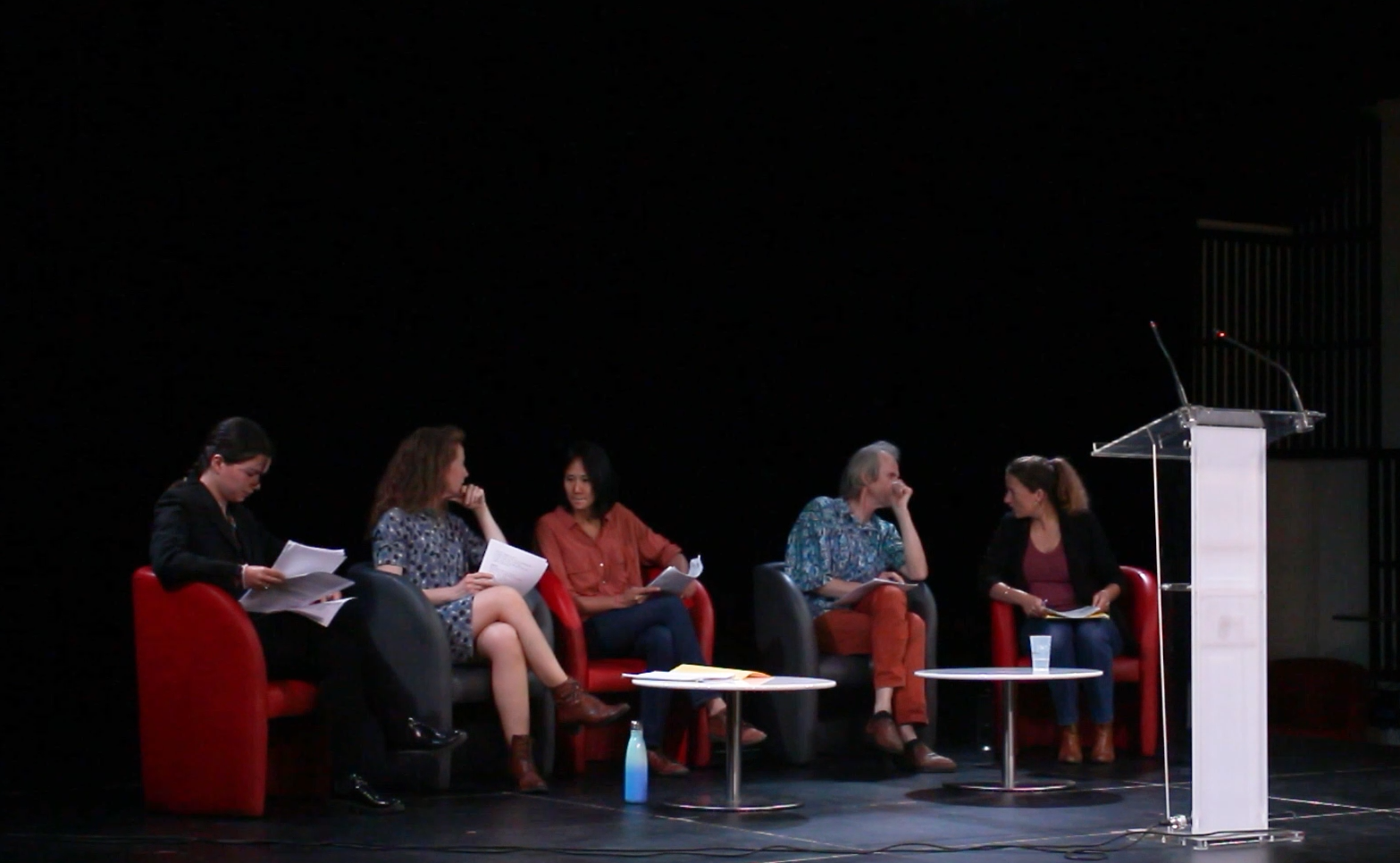
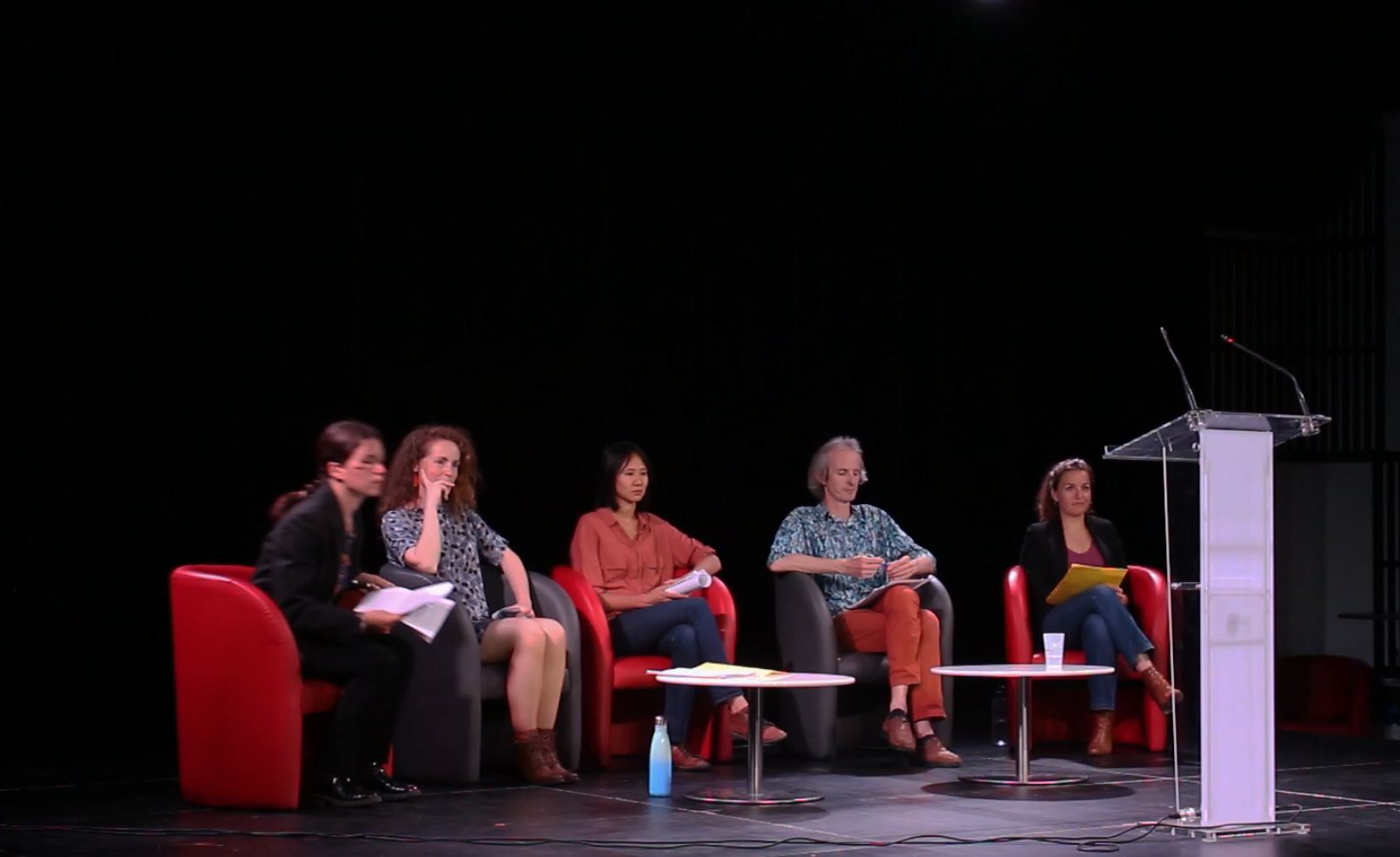
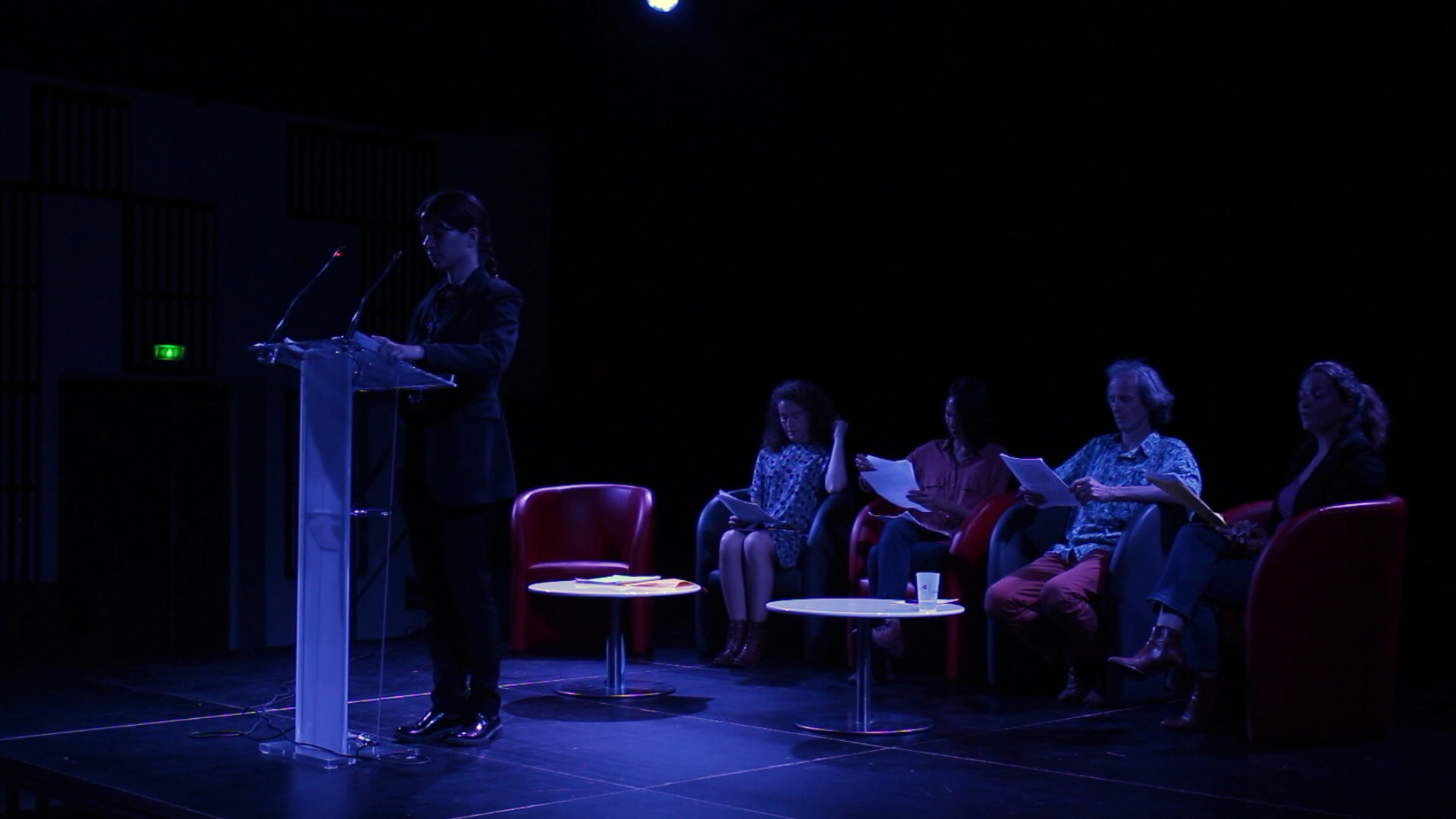
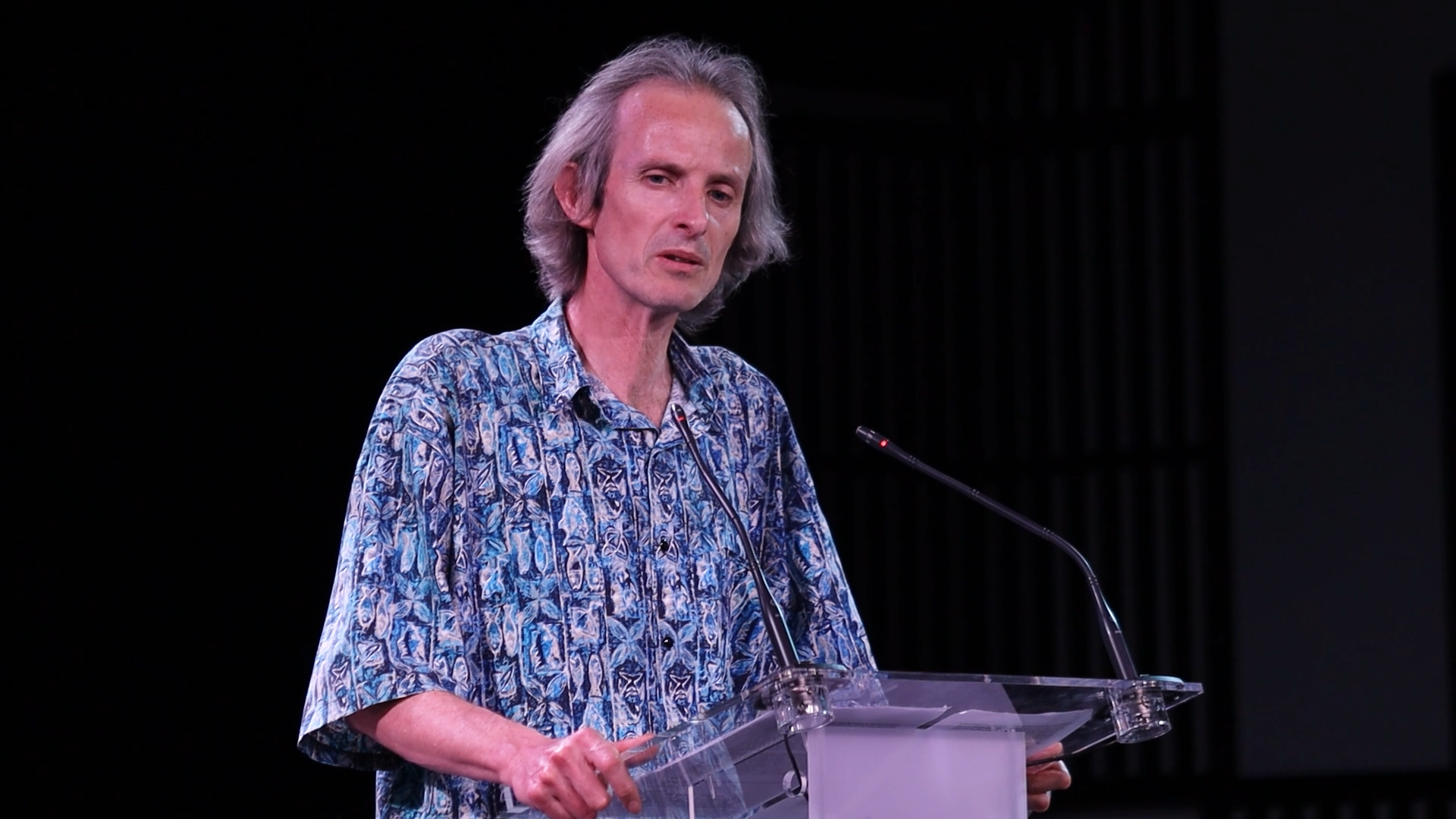
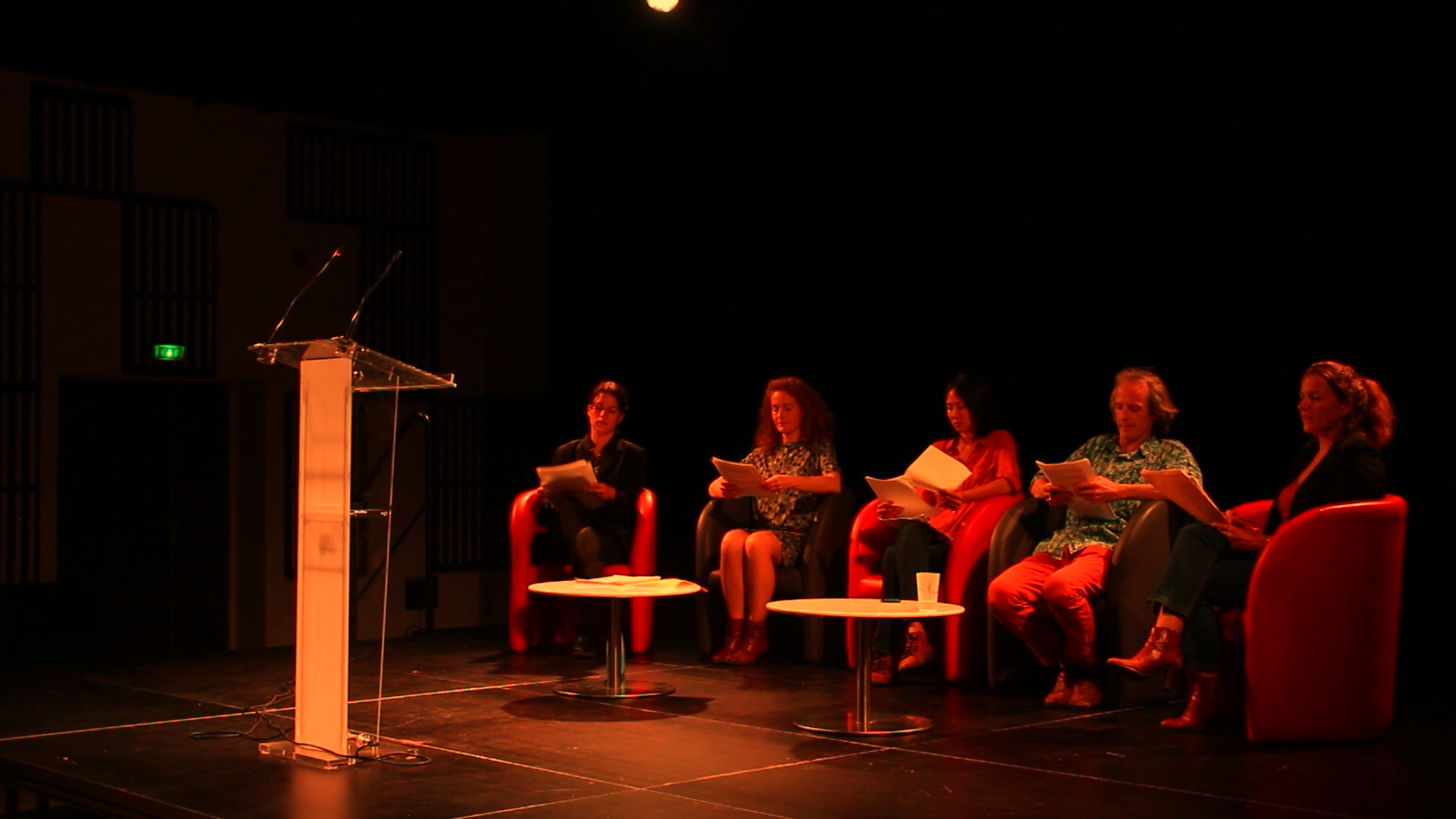
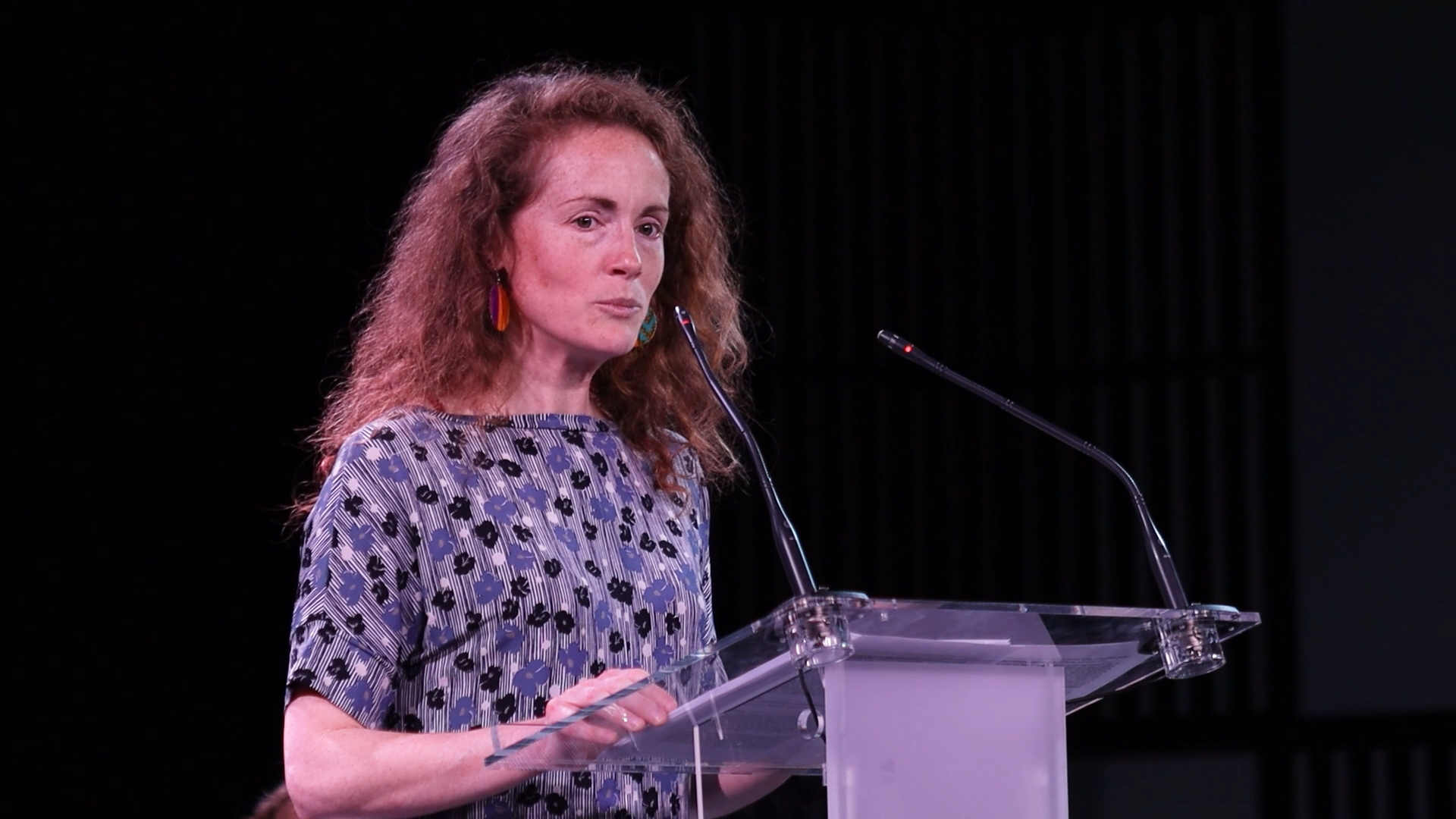
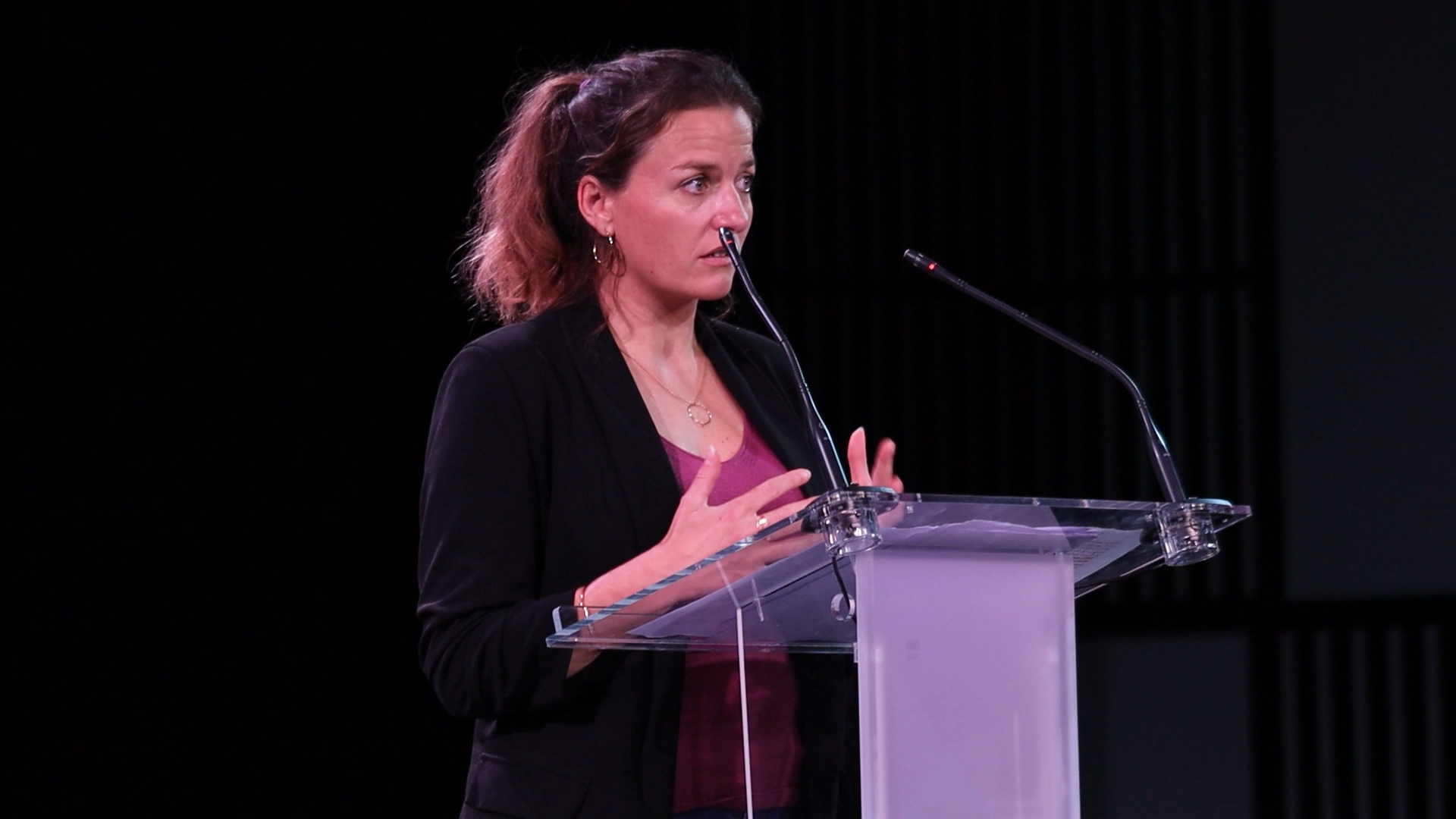
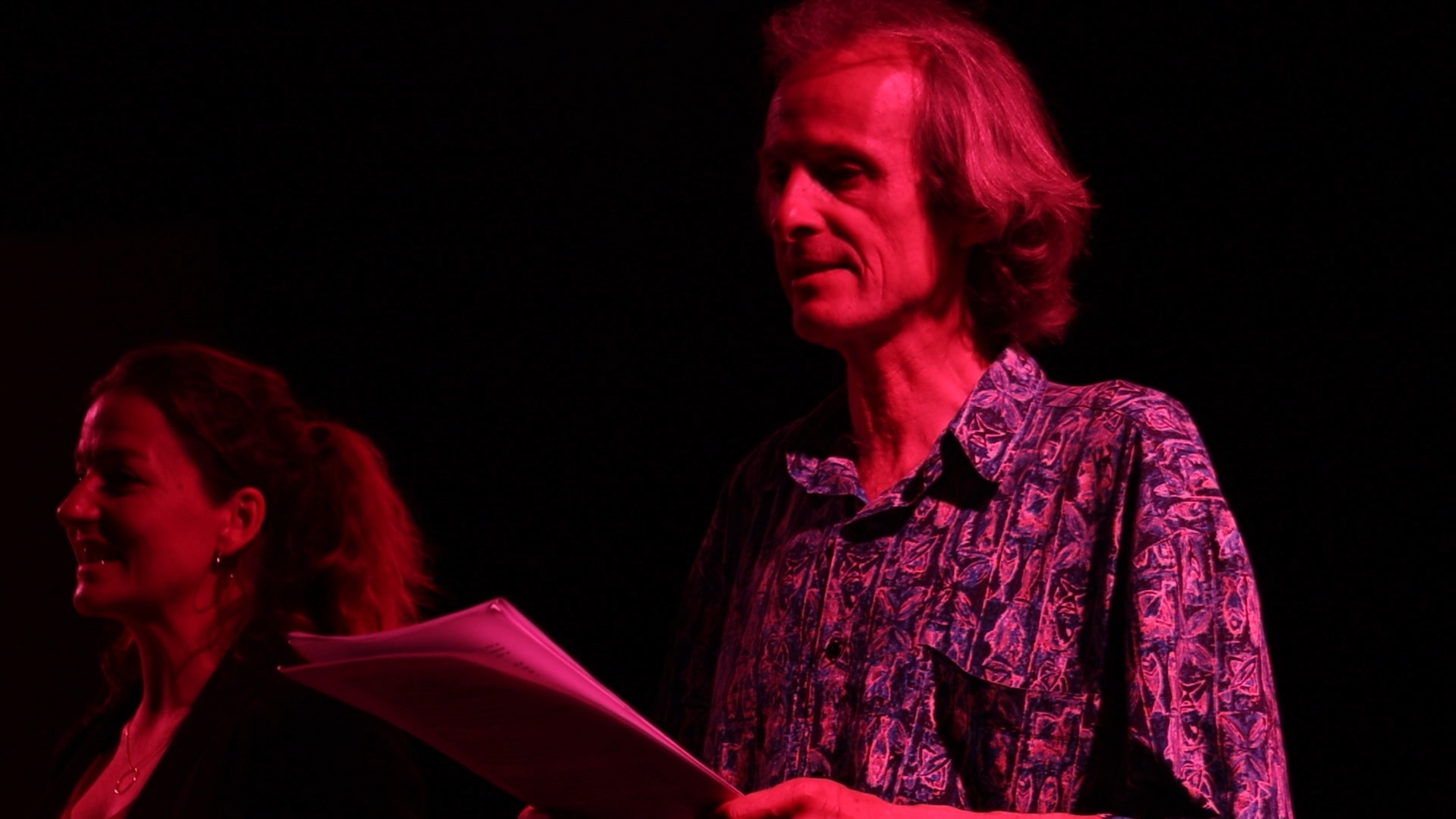
As both an artist and a researcher involved with Labos1point5, I felt a deep urge to bring these voices to the stage. I began adapting a selection of the texts and invited a group of actors to join me in exploring how these intimate, first‑person accounts might resonate in a theatrical space. Very quickly, it became clear that these stories had a unique power when spoken aloud. They touched audiences not only intellectually, but humanly—exactly as the authors had hoped when they wrote them.
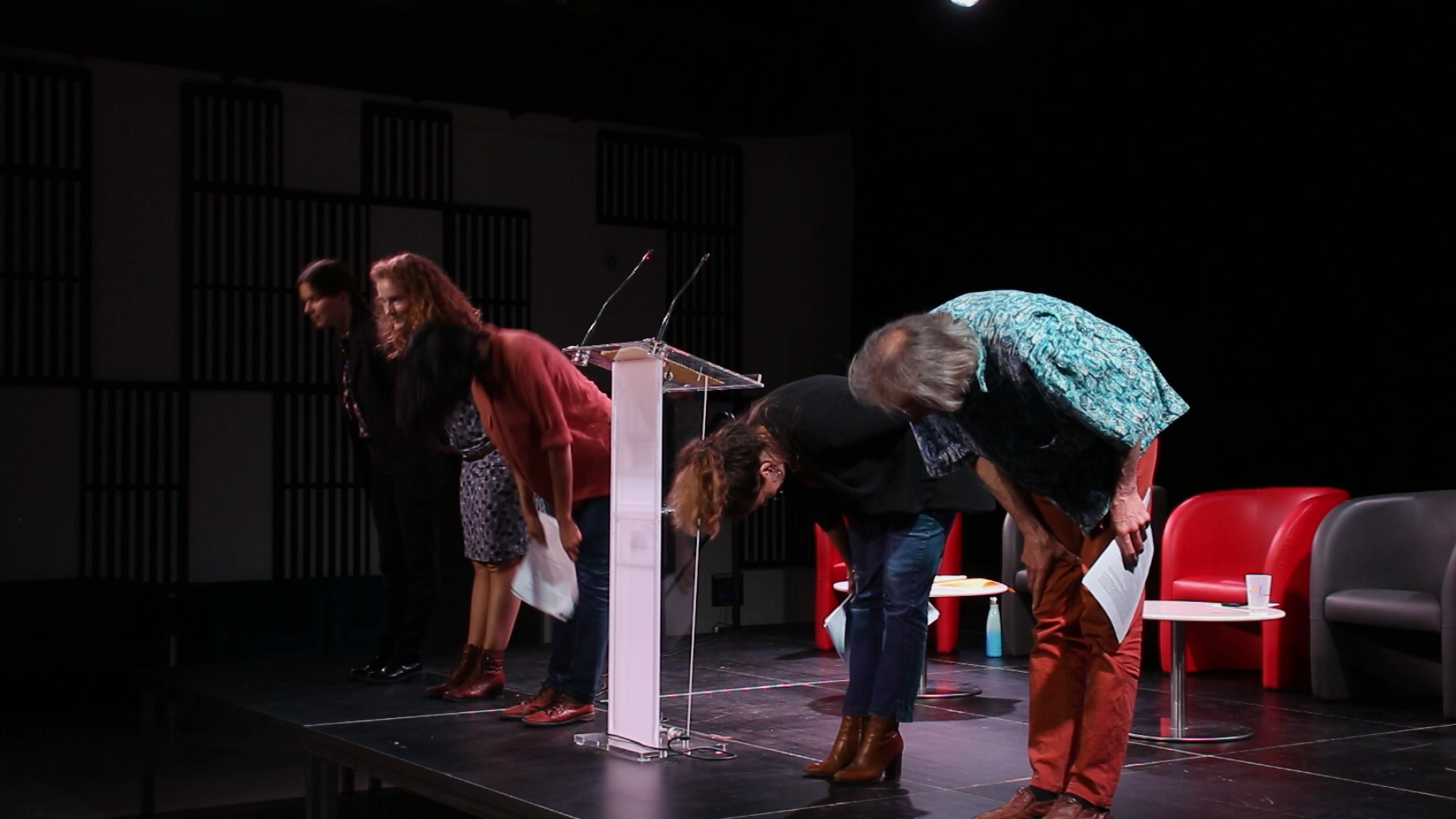
Our performances traveled to venues such as Aix‑en‑Provence, Marseille, Gif‑sur‑Yvette, and La Ciotat, always met with thoughtful, engaged reactions. Working on this project confirmed for me how deeply theatre can participate in the cultural response to climate change: not by preaching or simplifying, but by creating a space where emotion, science, and shared responsibility can meet.
Extracted from the Director’s Note:
My work has long lived at the intersection of art and ethics, so engaging with the climate crisis felt both natural and necessary. Through my involvement with Labos1point5, I became increasingly aware of how scientists struggle not only with the facts of environmental collapse, but with the emotional weight that accompanies them.
The texts in Intimate Encounters with the Anthropocene are moving precisely because they reveal this human dimension: moments of fear, astonishment, grief, and determination. They are subjective, vulnerable, and honest. When I first read them, I immediately felt that these voices needed to be heard beyond the scientific community. Theatre—where emotion and thought coexist—felt like the right place.
This project grew out of a sense of urgency, but also out of hope: the belief that sharing these testimonies might help audiences connect more deeply with the world we all inhabit, and inspire the will to protect it.
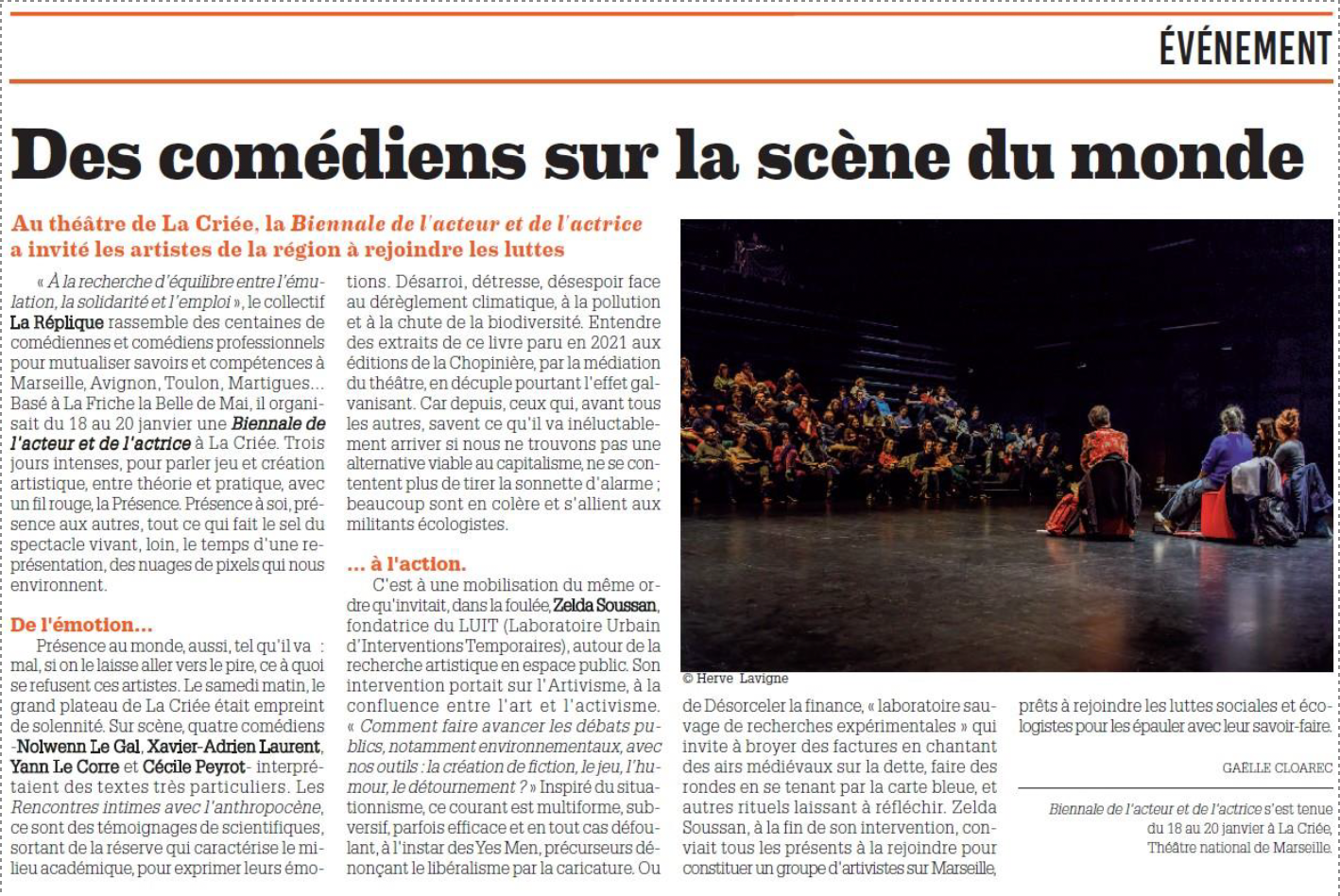
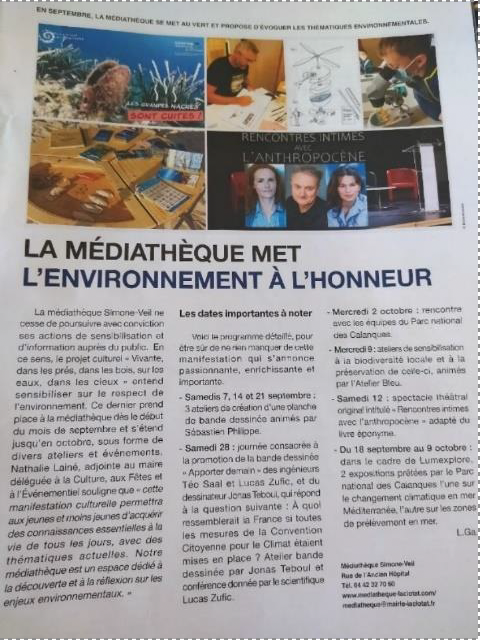
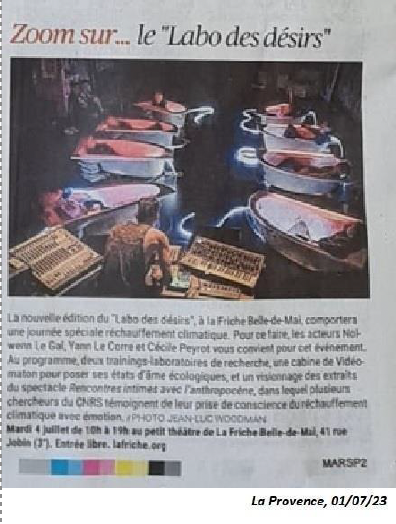
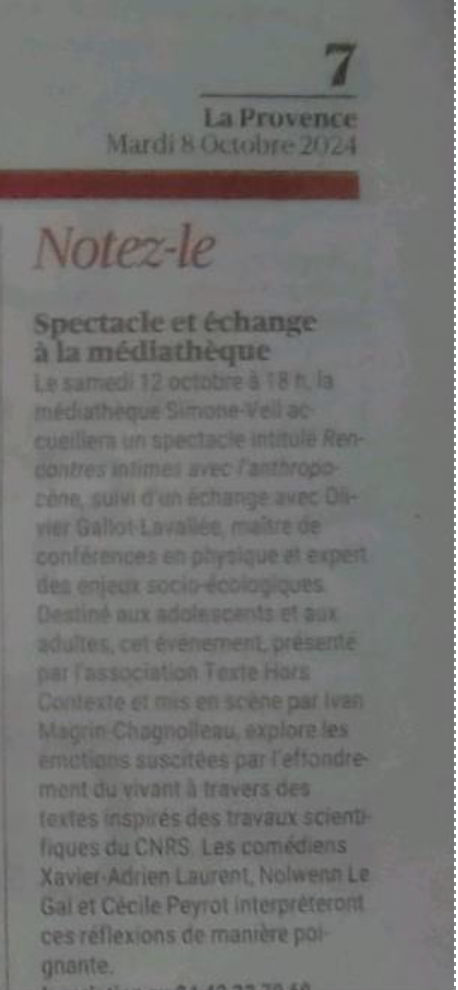
Press Highlights:
Intimate Encounters with Anthropocene has received warm and thoughtful attention from the regional press, which has highlighted both the relevance of its subject matter and the artistic framing of the project. La Provence described the work as “a journey into the theme, enriched by scientists reflecting on their own awakening to the climate crisis,” noting that the performance “places the collapse of the living world at its very heart.”
Journalists also emphasized how the staging enables audiences to experience “the emotions stirred by the collapse of the living world through texts inspired by CNRS scientific research.” When the piece was presented at the Simone‑Veil Media Library, the newspaper drew attention to this dramaturgical approach and to the post‑show discussion, highlighting it as an integral part of the experience.
At the Biennale de l’acteur et de l’actrice, the press underscored the sensitivity of the stage work, writing that the piece “examines our relationship to the living world, the collapse of biodiversity, and global warming,” and that the performers “give voice to these scientific and human stories with great sensitivity.”
Across these reviews, a recurring theme emerges: an appreciation for the way the production shapes scientific testimonies into a shared, emotionally resonant journey—inviting audiences to connect not only with the facts, but with the human experience behind them.
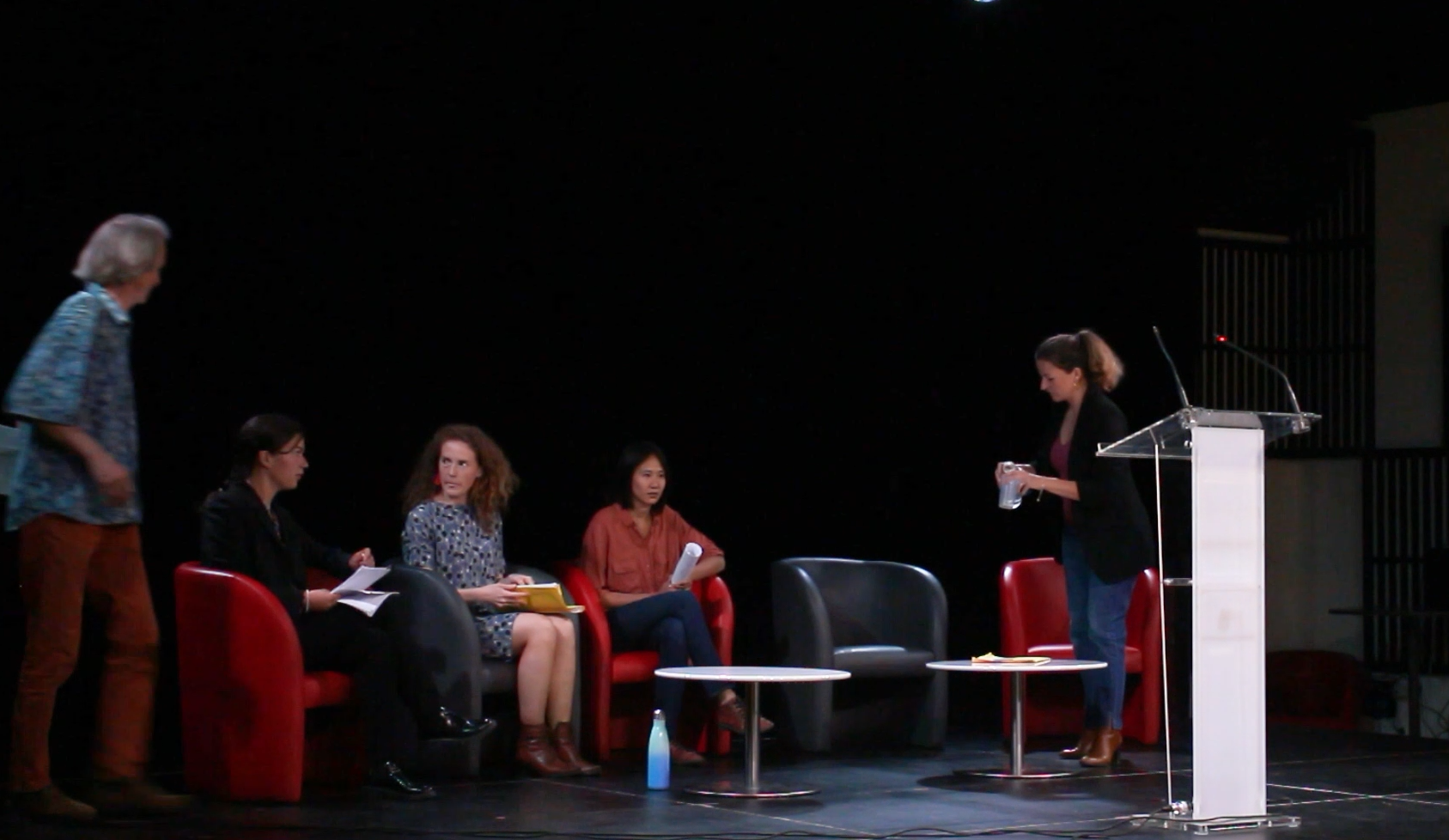
THE LESSON (Eugène Ionesco)
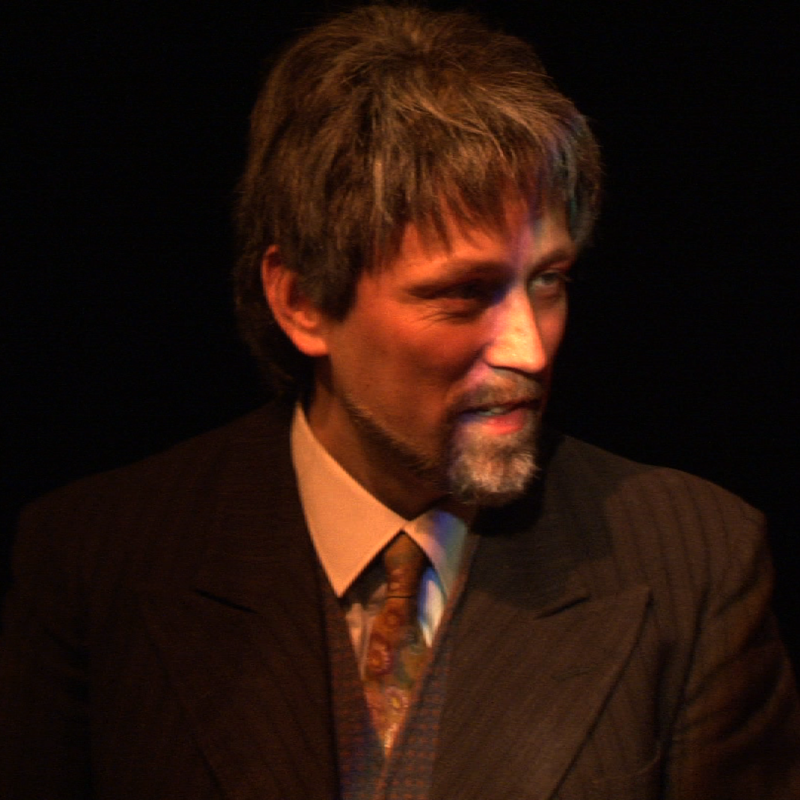
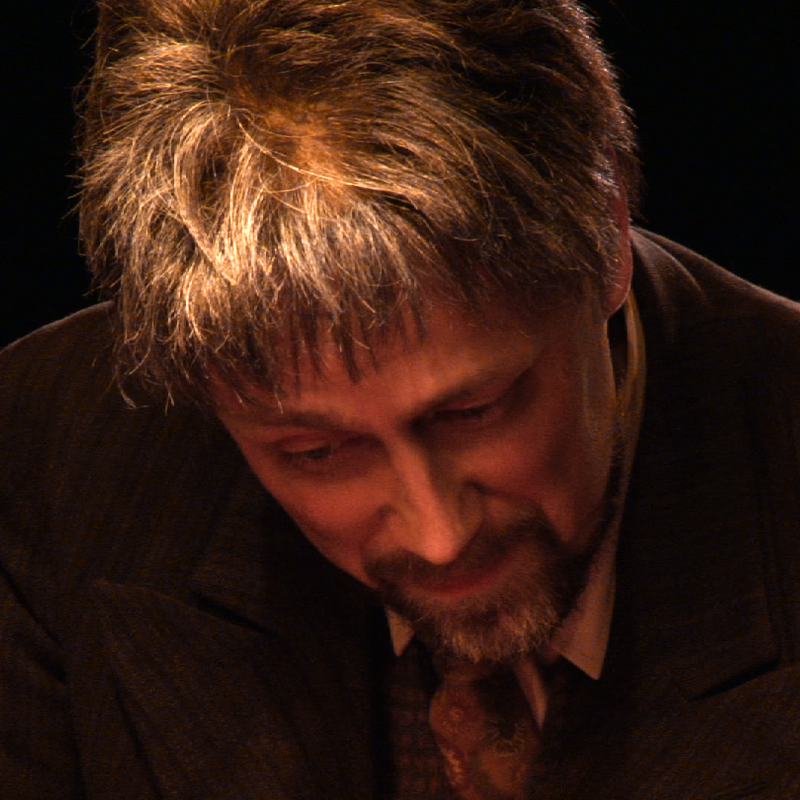
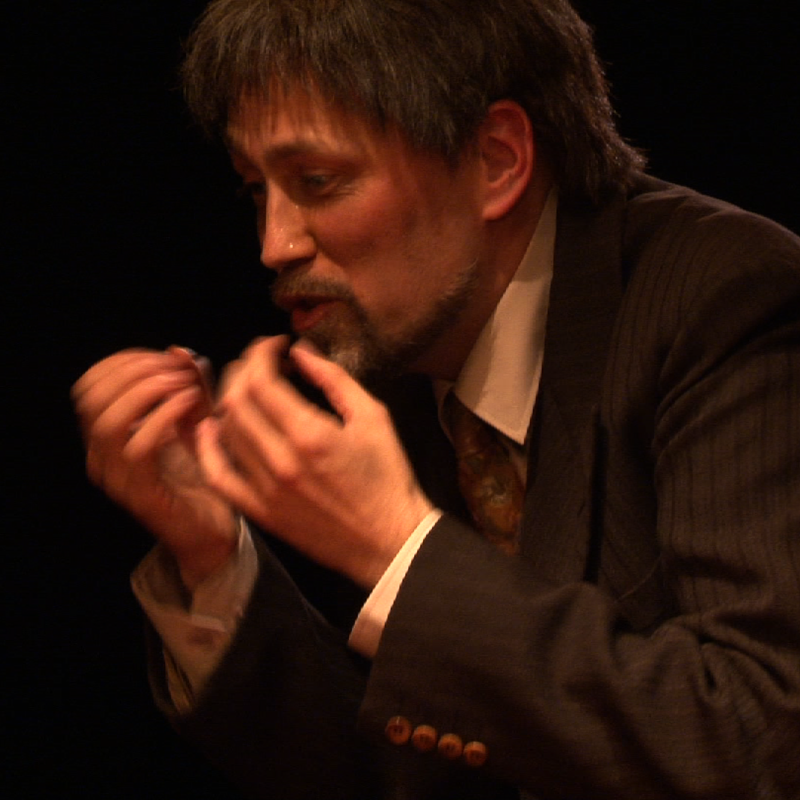
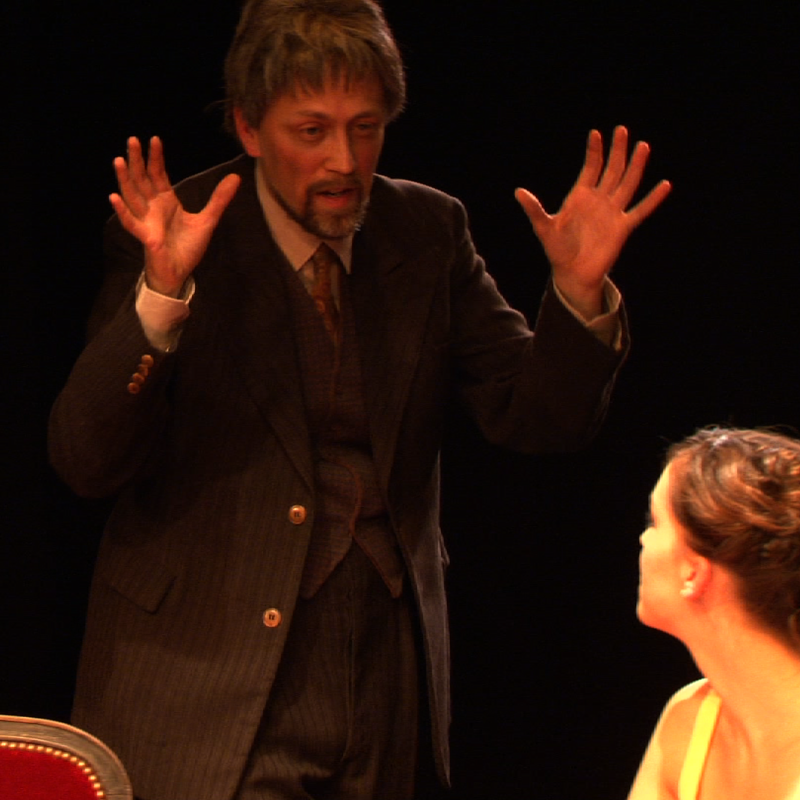
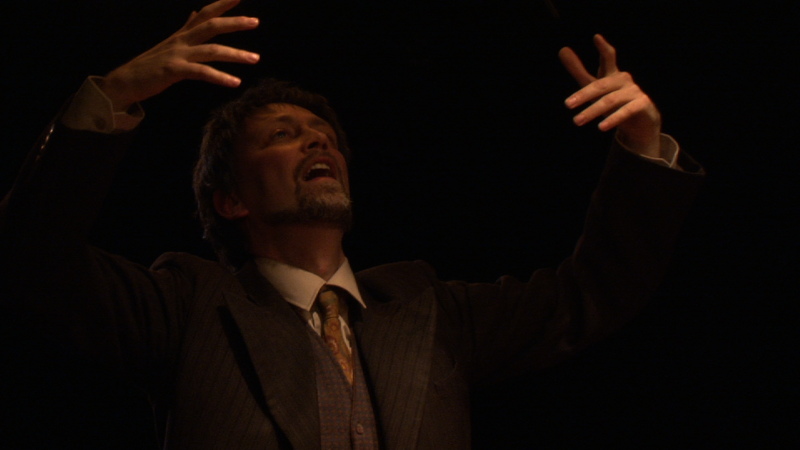
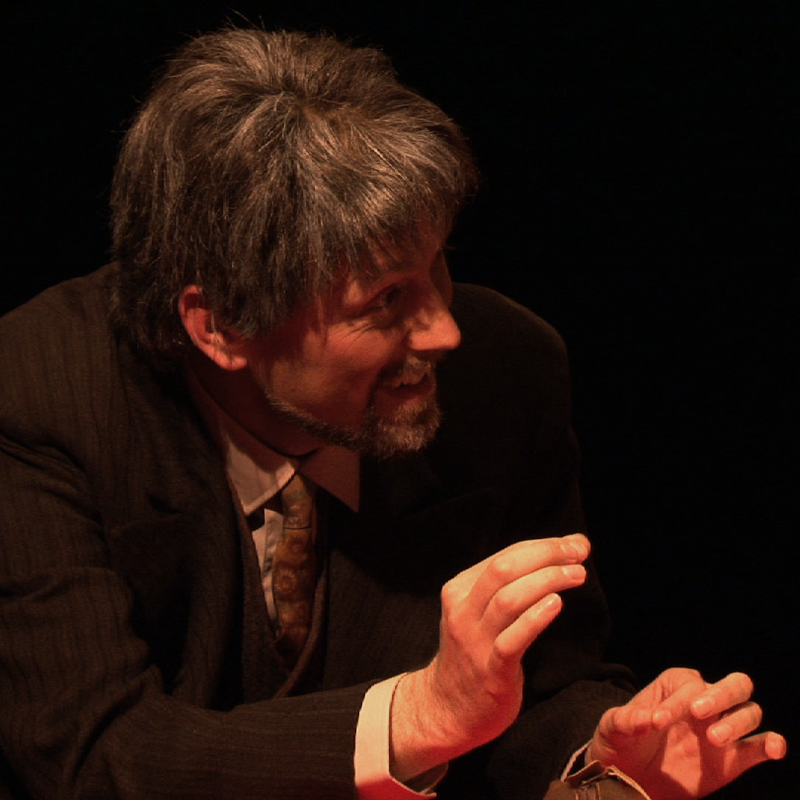
I first fell in love with The Lesson after seeing Steven Skybell’s unforgettable performance as the Professor in the Atlantic Theater’s 2004 New York production. That experience stayed with me, and in 2010, I finally had the chance to direct and play the Professor myself in France.
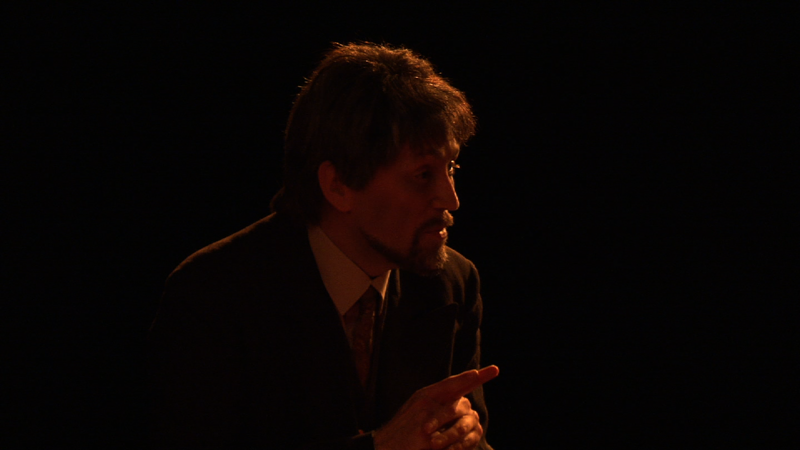
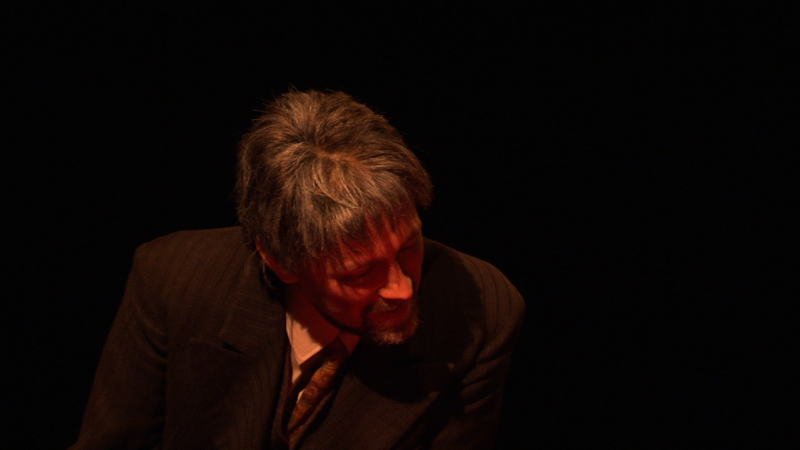
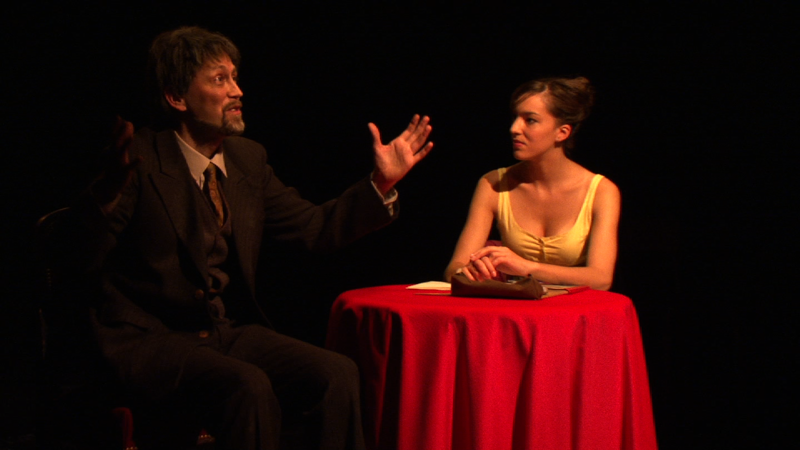
Wearing both hats—director and lead—was a real challenge, but also a thrill. I had the pleasure of working with two talented emerging actresses as the Student and the Maid, and collaborated closely with Catherine Gargat on makeup and wigs, and with Olivier Horn, whose lighting design brought a whole new dimension to the show. I handled the direction and set design, and those creative partnerships, especially with Olivier, made the process especially rewarding.
The production found its audience: our 100-seat theater was two-thirds full on weekdays and packed on weekends. We received a wonderful review in lemague.net, and the “livre d’or” filled up with generous, heartfelt comments from audience members. I’ve included the review and some of those audience reflections below.
Extracted from the Director’s Note:
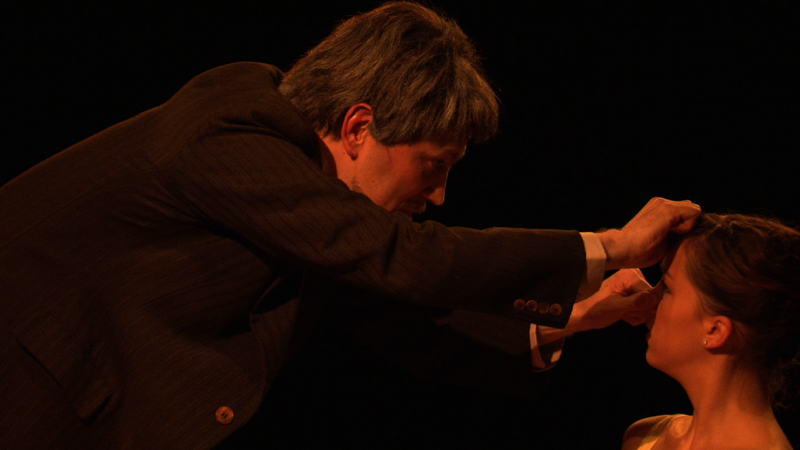
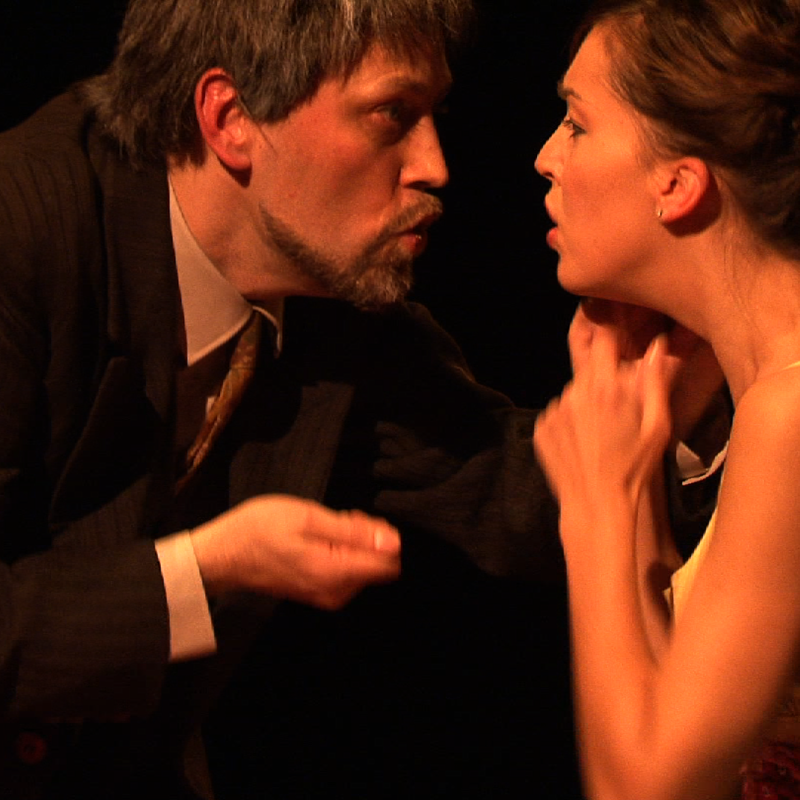
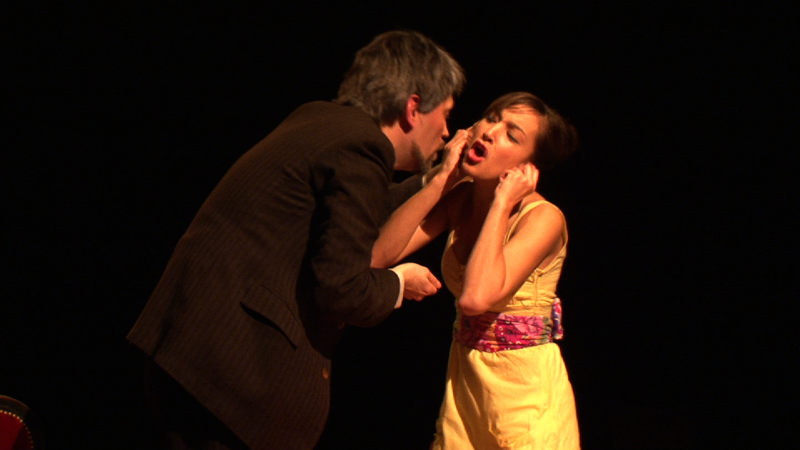
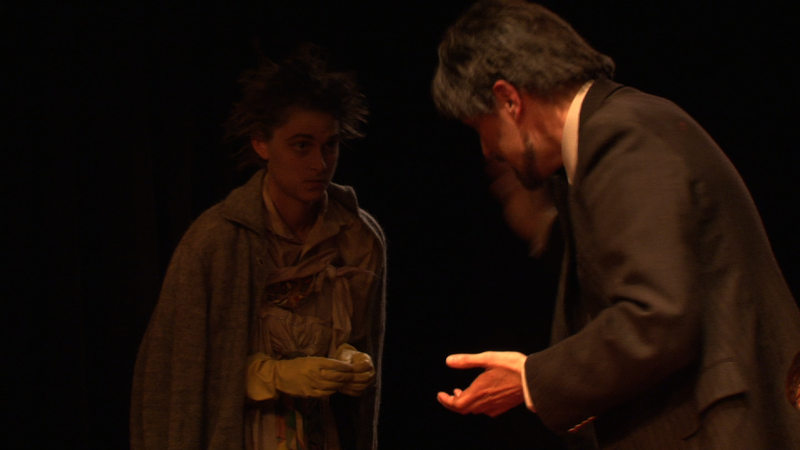
“I immersed myself again in the world of Ionesco—his biography, his work. I rediscovered a fascinating universe, and a body of work that remains as relevant as ever. It touches on universal aspects of human nature and on behaviors we still see all too often: dynamics of domination between individuals (violence, incest, betrayal of trust, abuse of power, etc.), and the consequences when these dynamics play out on the scale of a country, leading to political tyranny.
The first reading of the play is above all about the relationship that develops between the Professor and the Student—a tyrannical, dominating relationship, set in motion by a sexual desire that becomes increasingly difficult to control.”
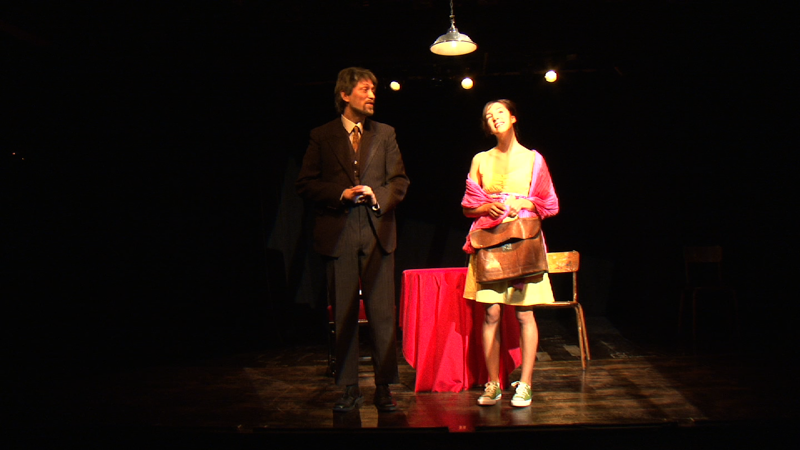
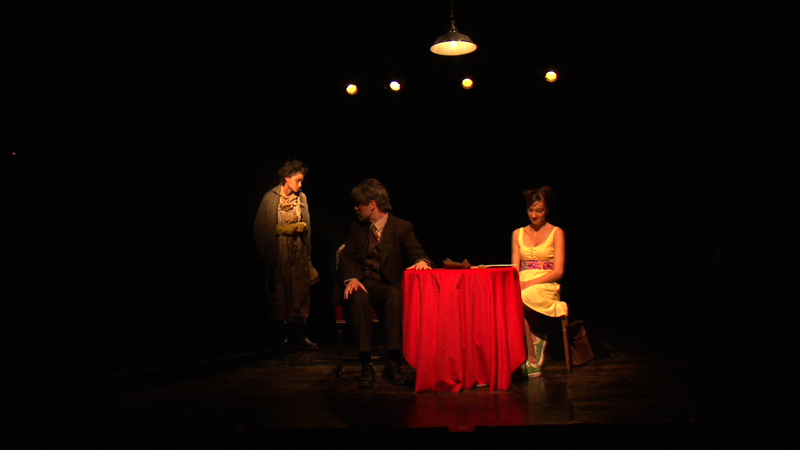
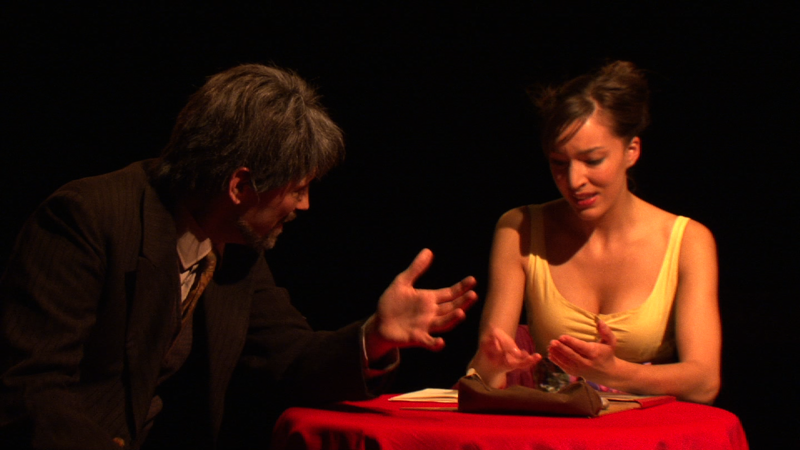
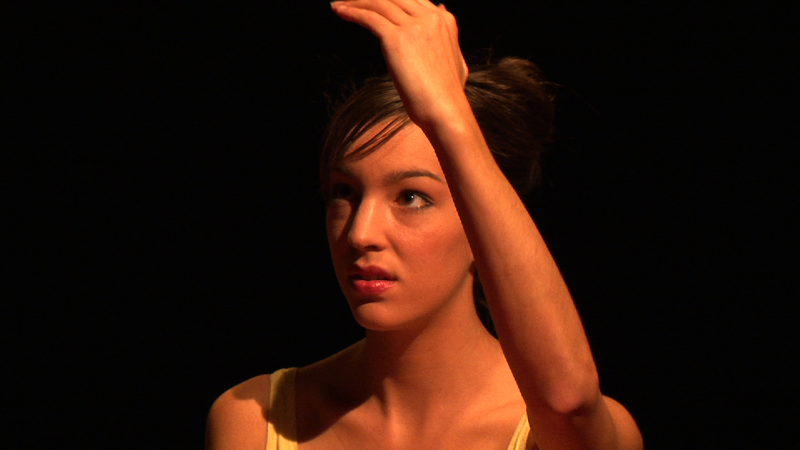
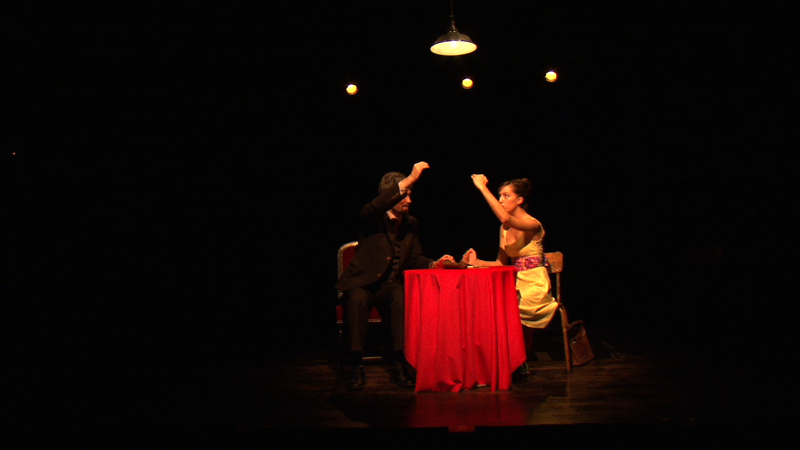
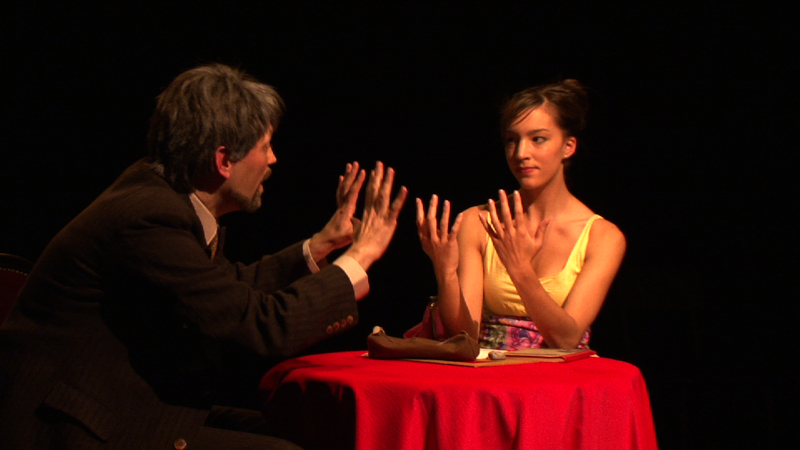
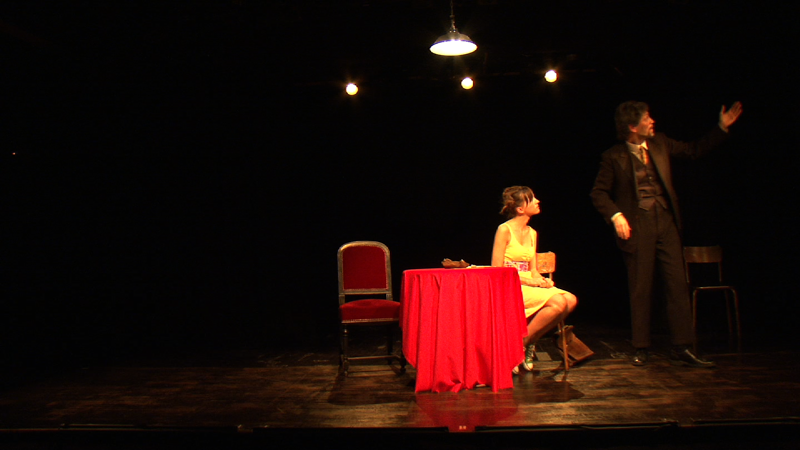
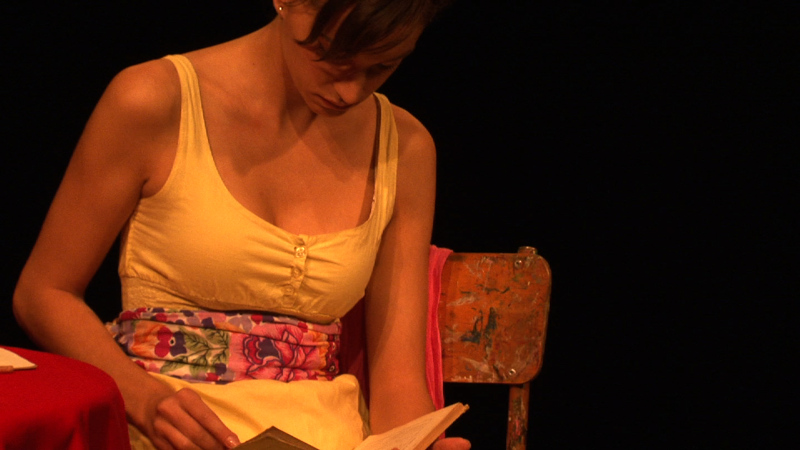
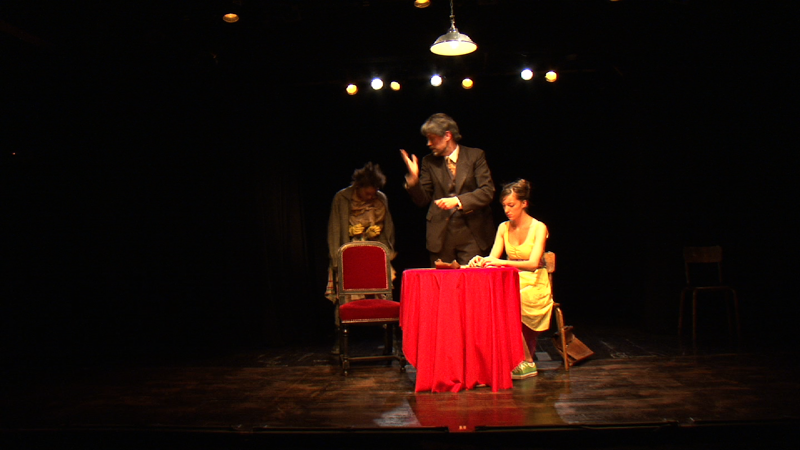
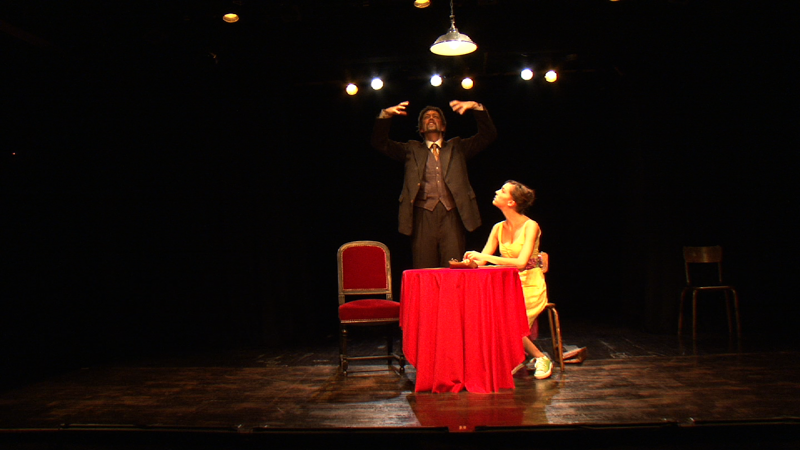
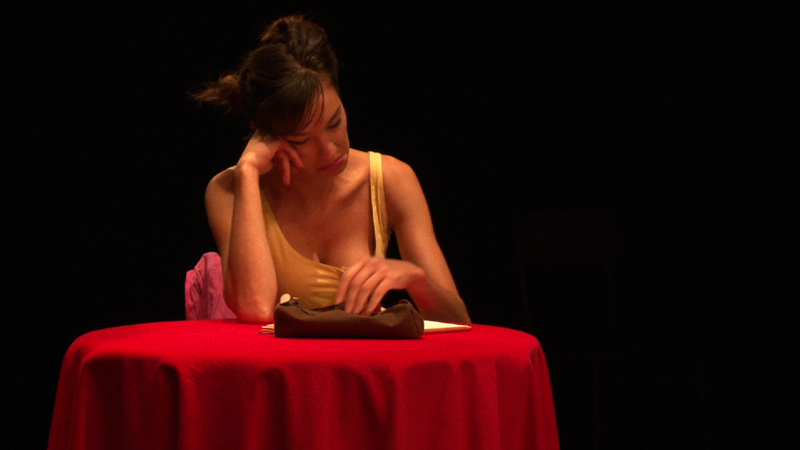
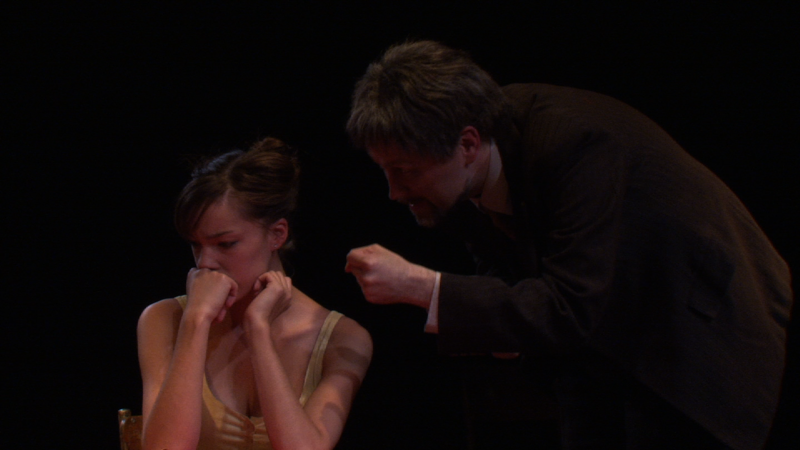
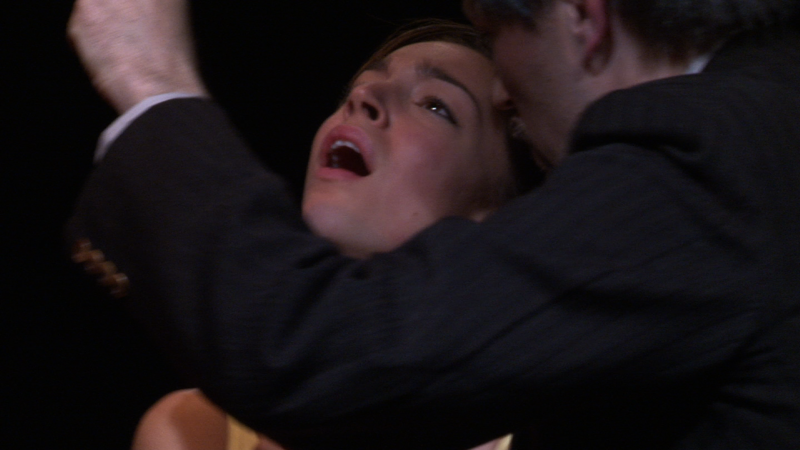
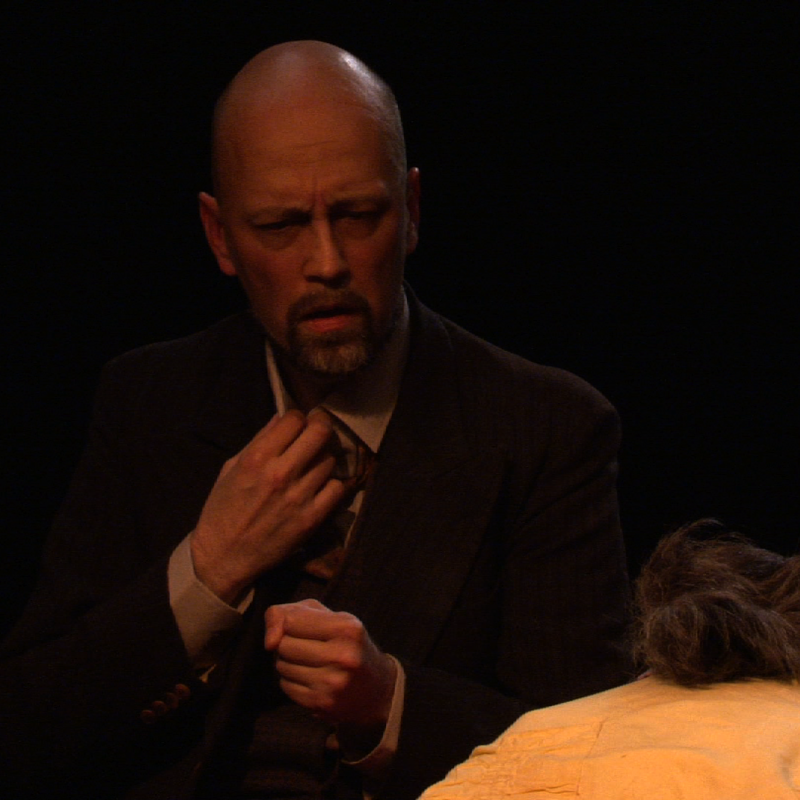
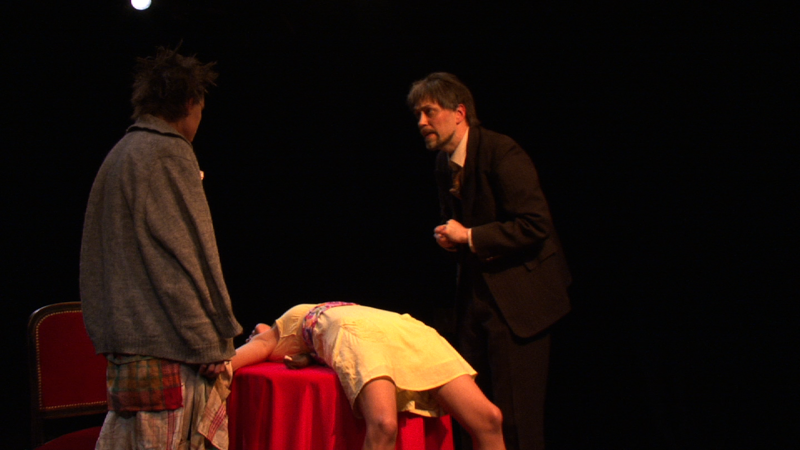
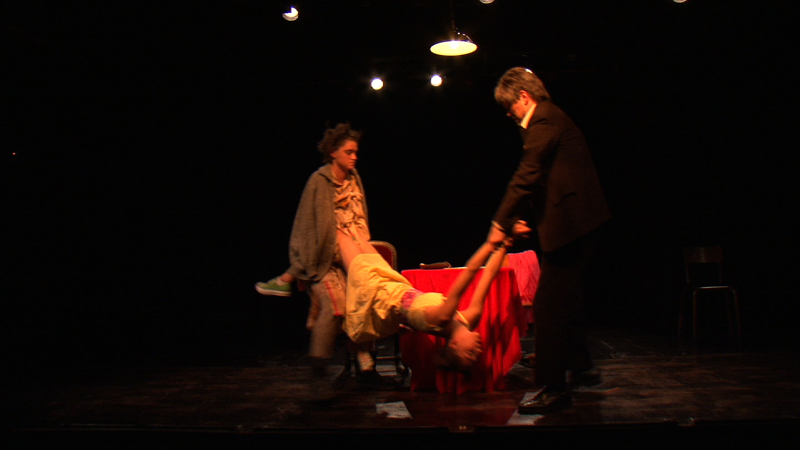
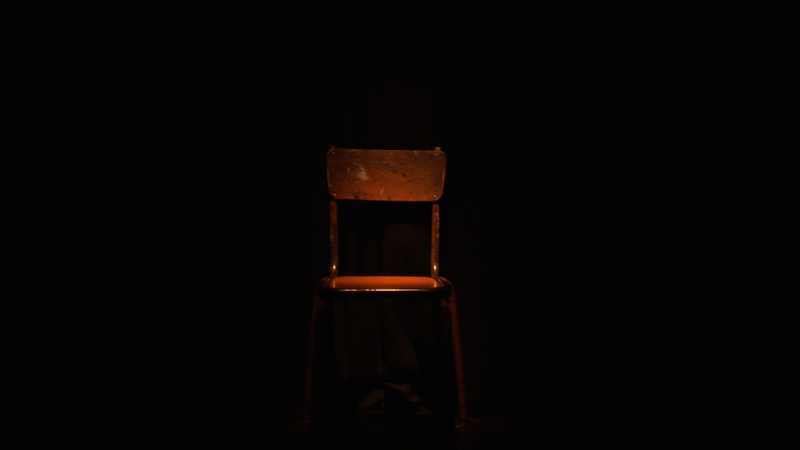
“The mise en scène, built on minimalism, was enhanced by subtle and well-balanced lighting
—at times very poetic—impeccably created by Olivier Horn.
These technical elements were skillfully used by the artistic team, already a sign of the quality of the direction.”
“The quality of the direction was evident in the small finishing touches, such as the handling of the beginning and end,
which brought everything full circle with perfect restraint.”
“It seems to us that the result achieved by the team goes beyond the initial intent
and, very successfully, evokes the ‘utopia’ of the absurd in a way that is accessible to all—a considerable achievement!”
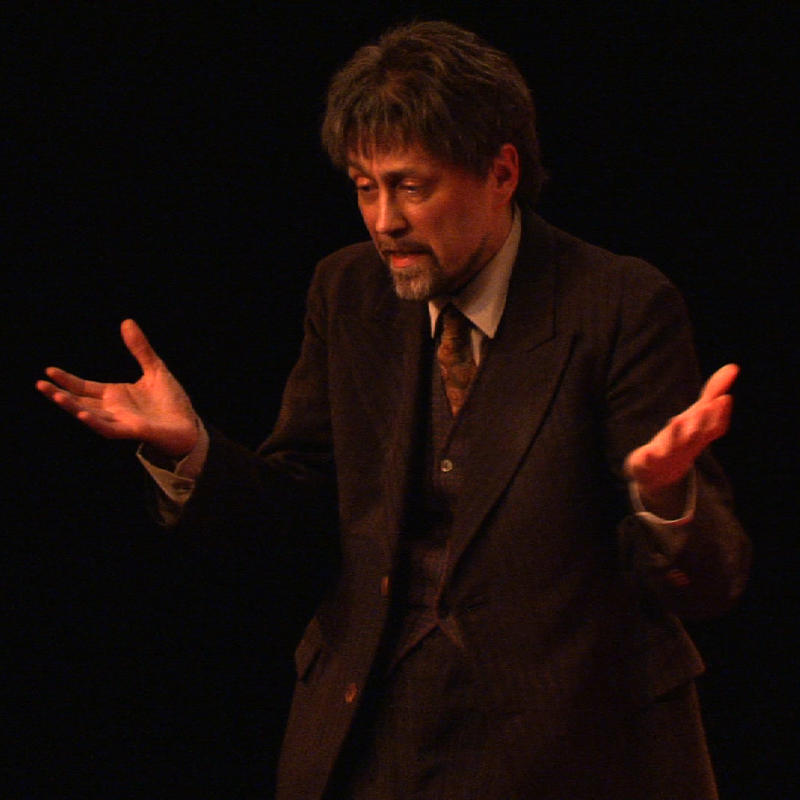
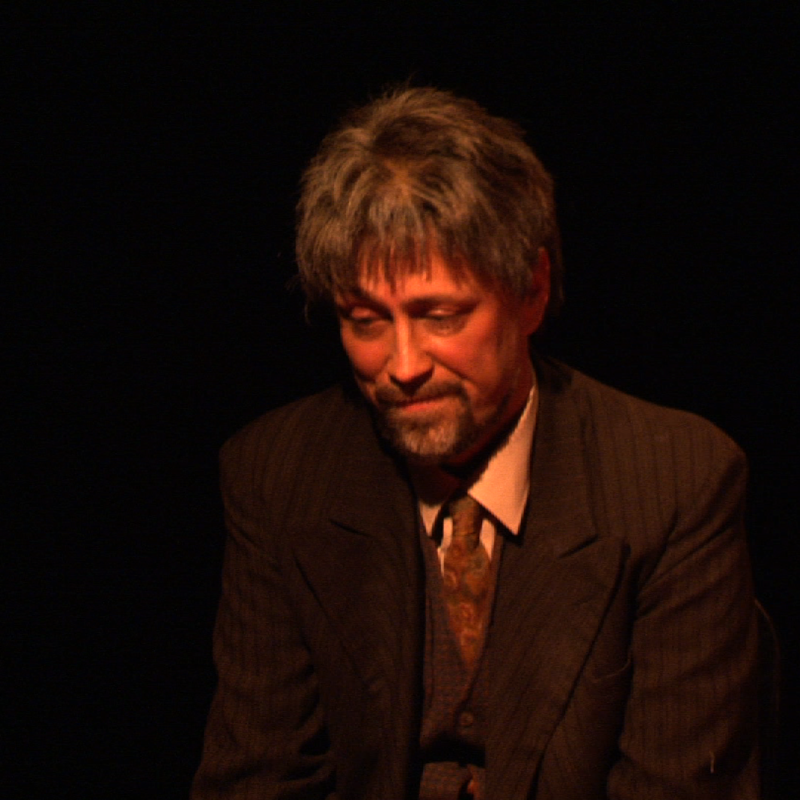
“The Professor, in a suit a bit too tight and short, almost stiff, was played by Ivan Magrin-Chagnolleau
with diabolical effectiveness, creating an ambiguous and disconcerting physical presence.”
“Ivan Magrin-Chagnolleau’s character work was particularly skillful. The character became magnetic,
especially when, after the murder, he removed his wig, revealing a true mineral quality,
beneath which appeared a guilty little boy seeking the maid’s affection.”
(Alfred Roubec for lemague.net, October 15, 2010 - Read the whole critique in French here.)
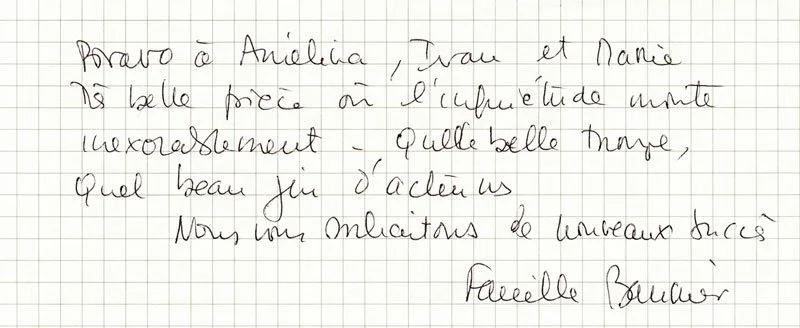
Bravo ... a very beautiful piece in which anxiety rises inexorably ... what wonderful acting ... we wish you every success.
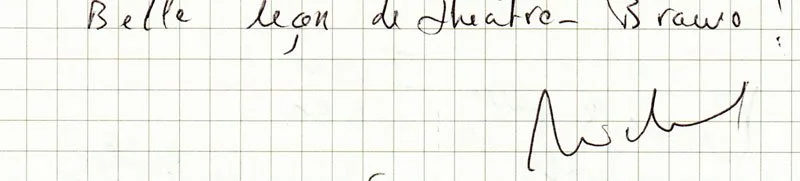
Great theater lesson. Bravo!
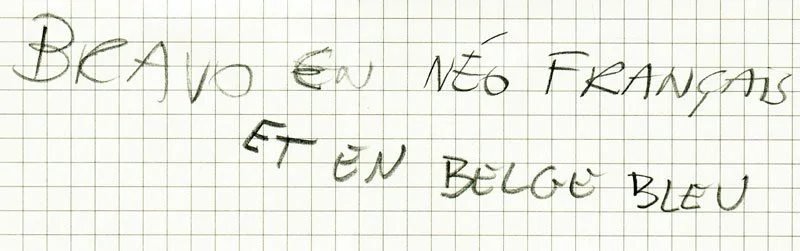
Bravo in neo French and blue Belgian.

Very beautiful evening.
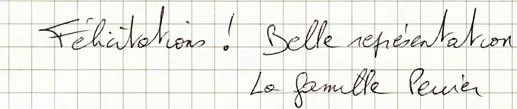
Congratulations! Beautiful performance.
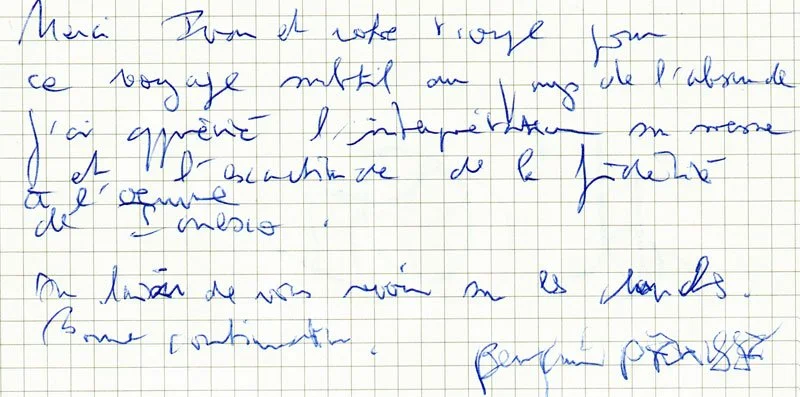
Thank you, Ivan and your troupe, for this journey into the land of the absurd ... I look forward to seeing you again on stage.
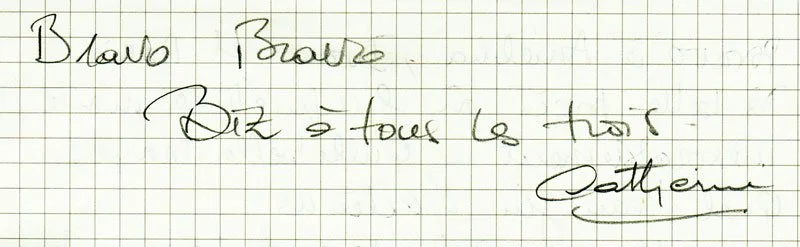
Bravo. Bravo.
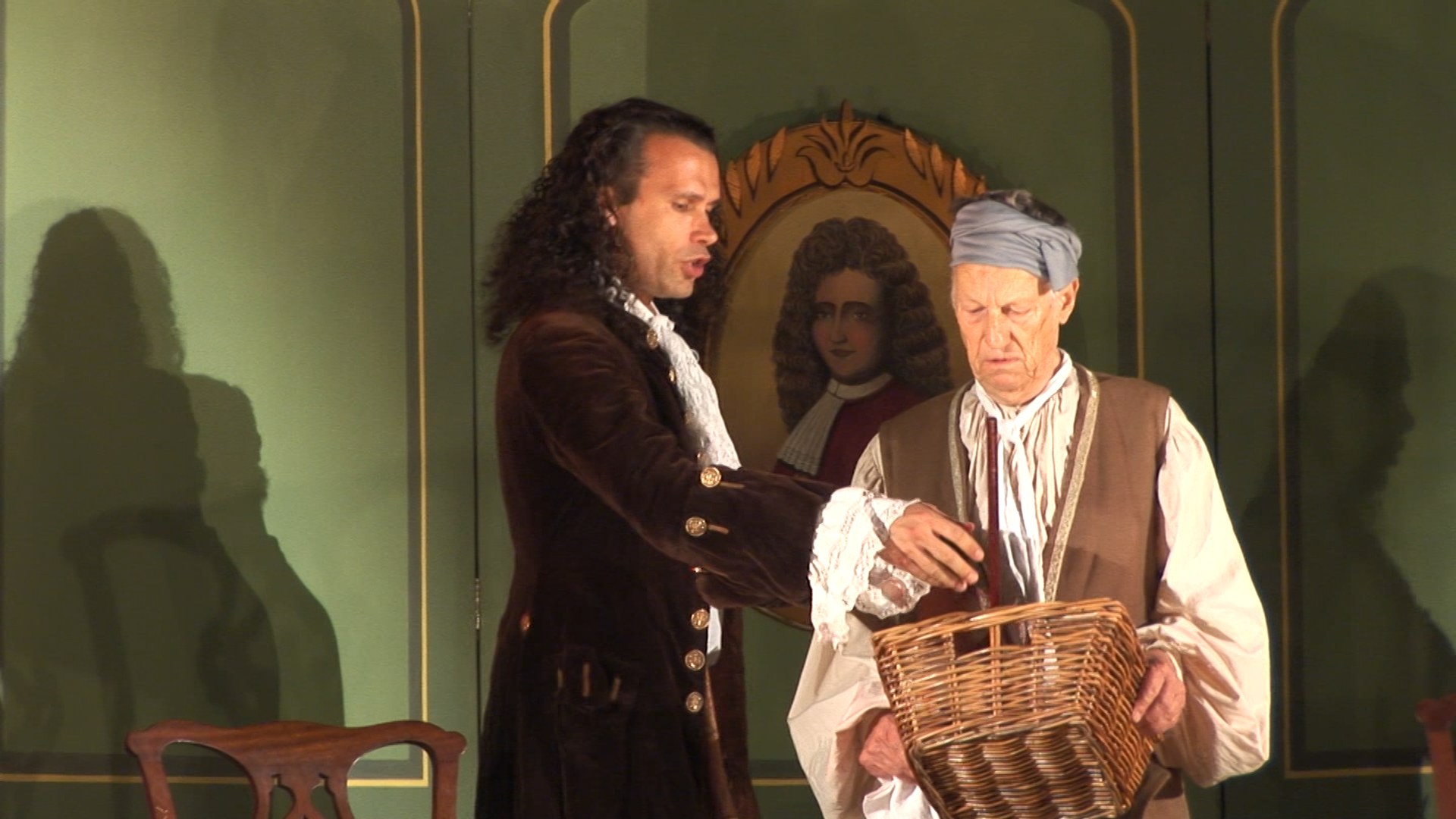
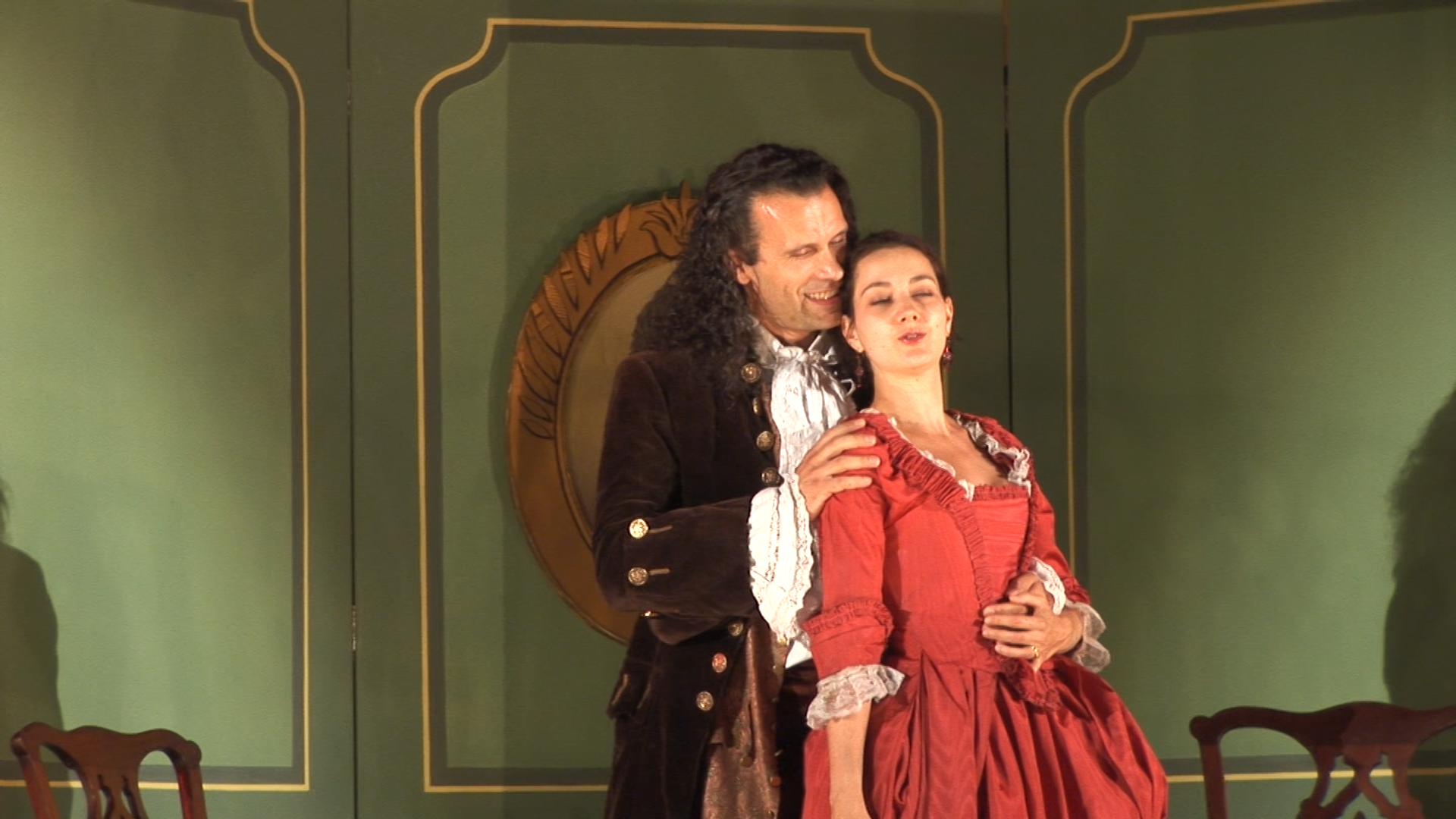
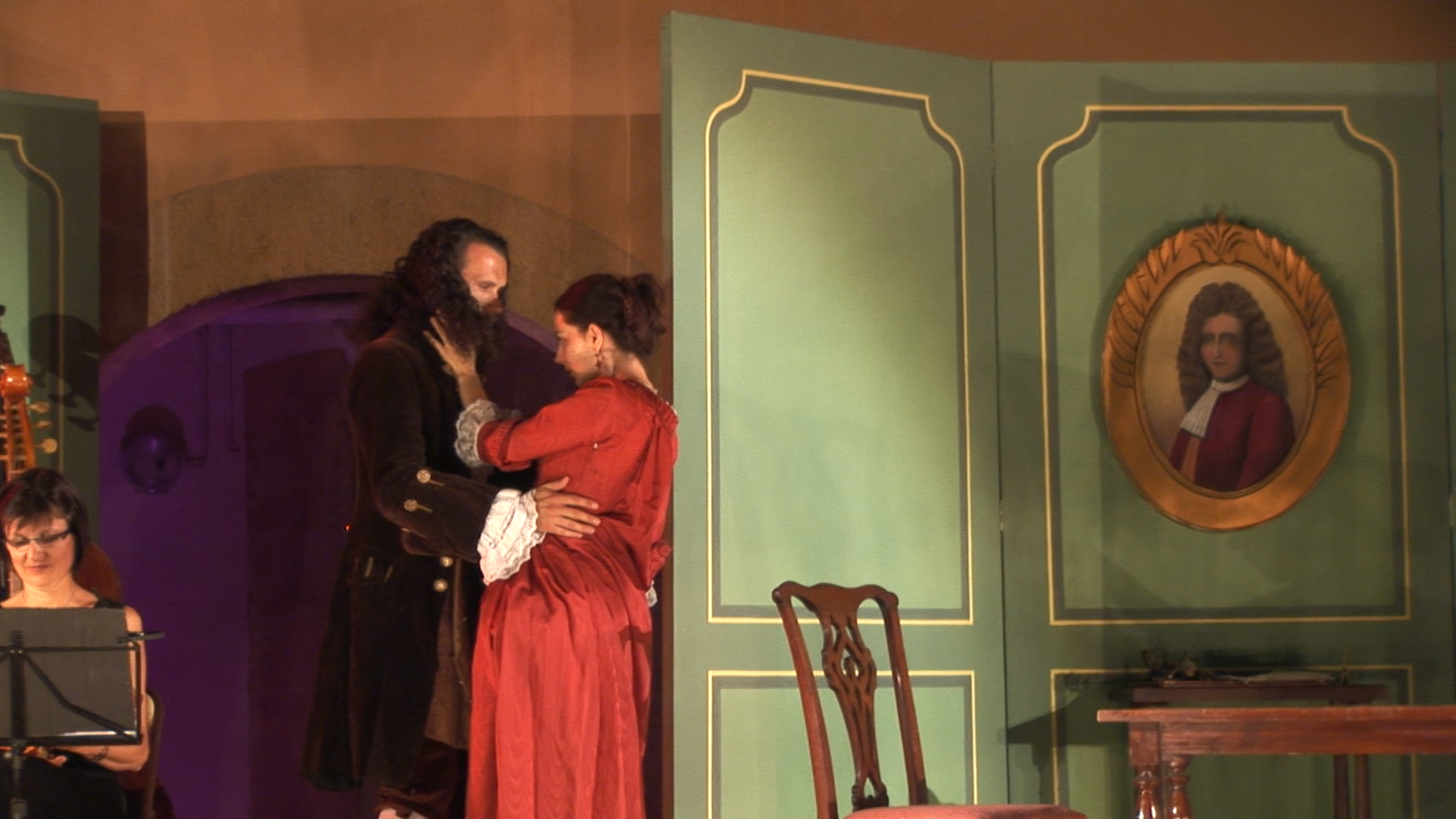
THE CHOICE OF HERCULES (Hyppolyte Wouters)
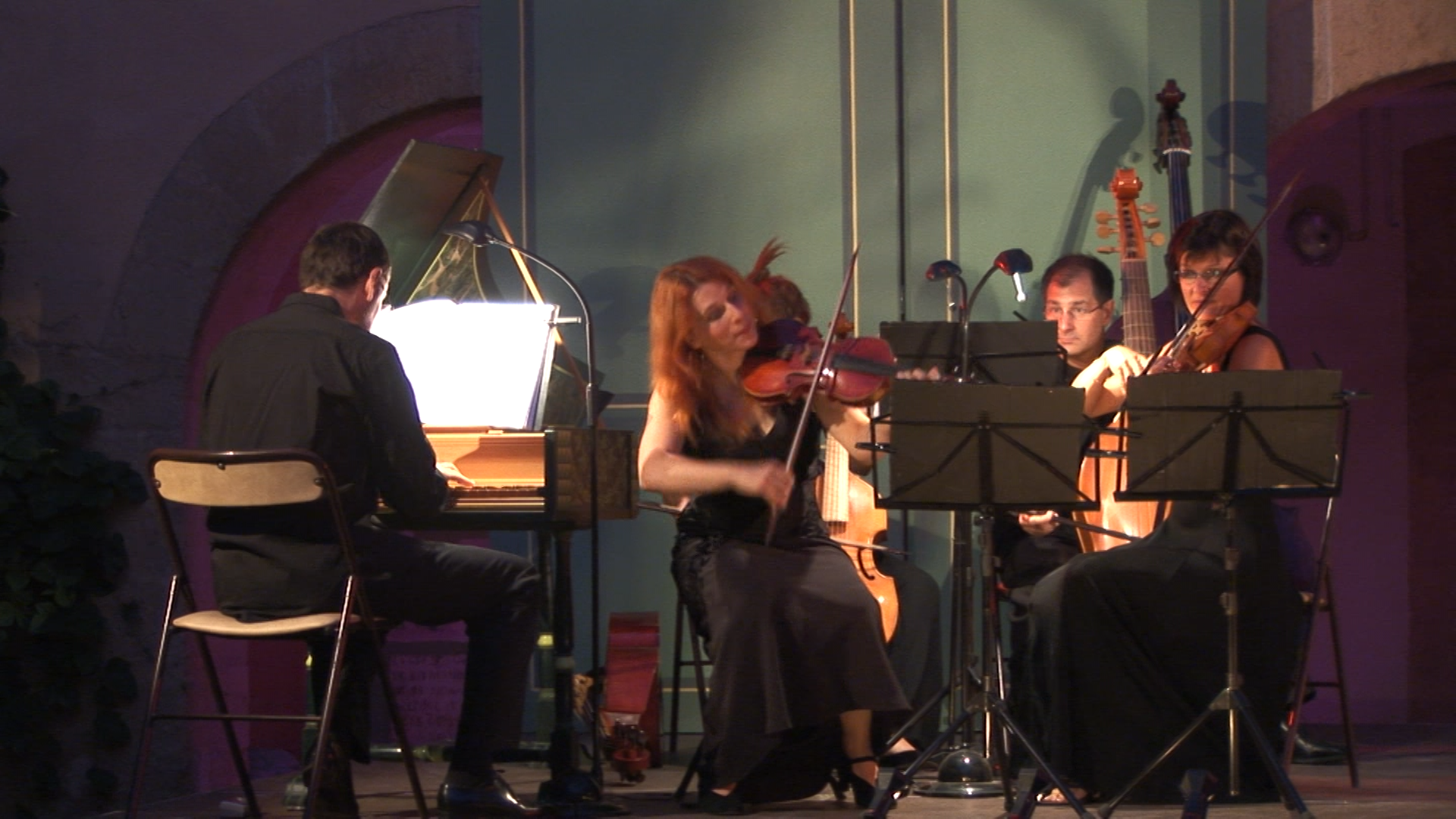
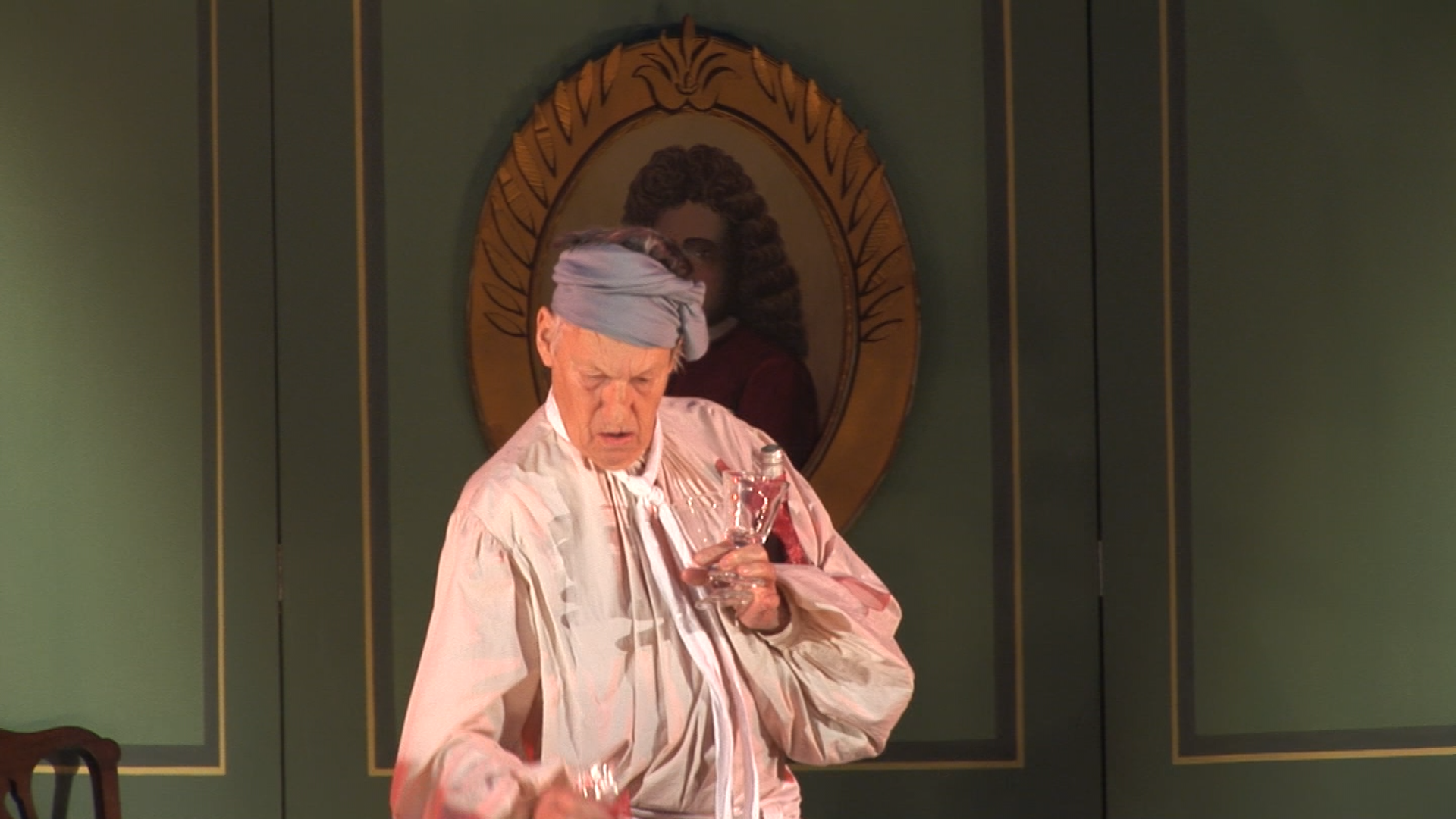
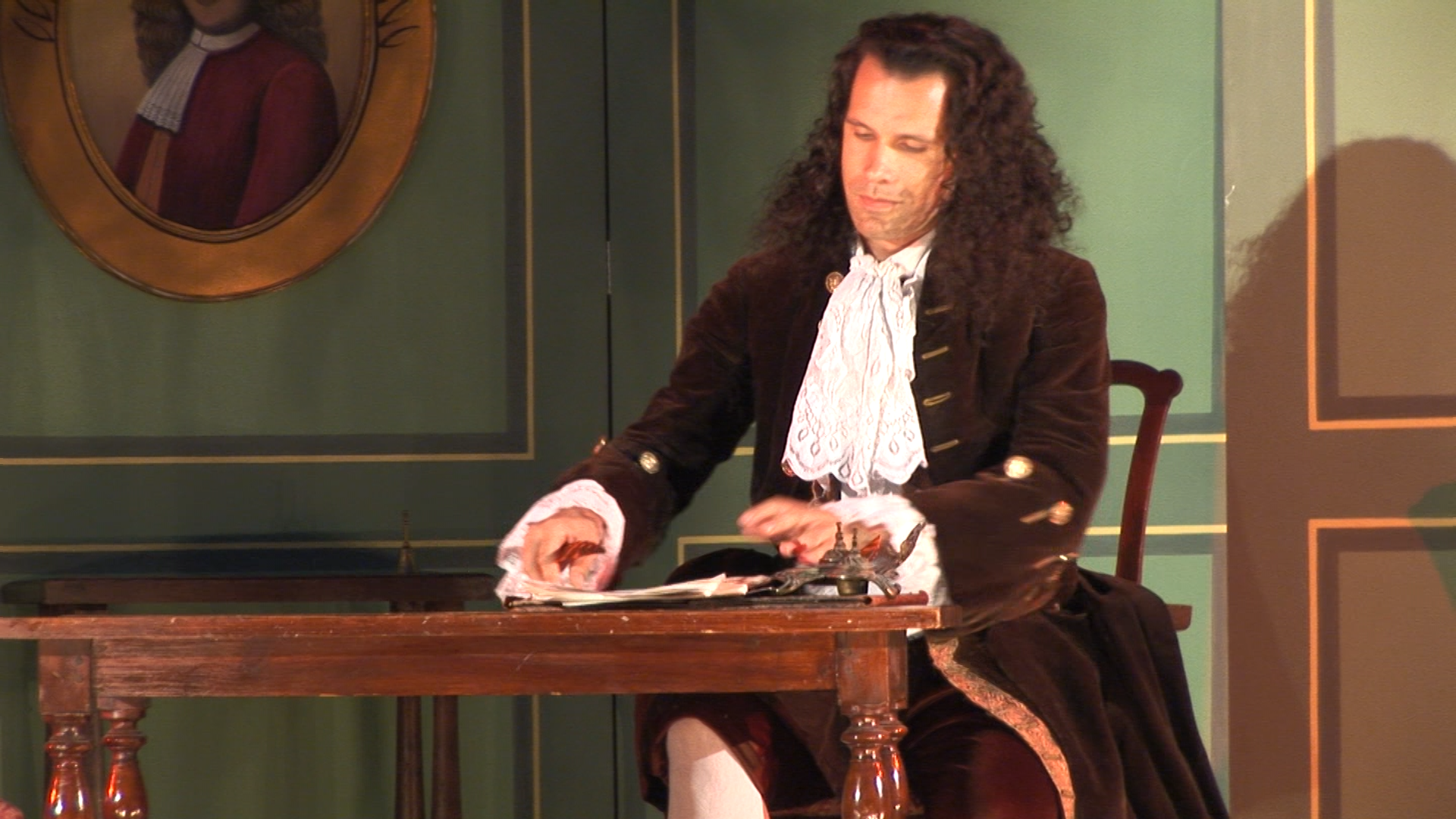
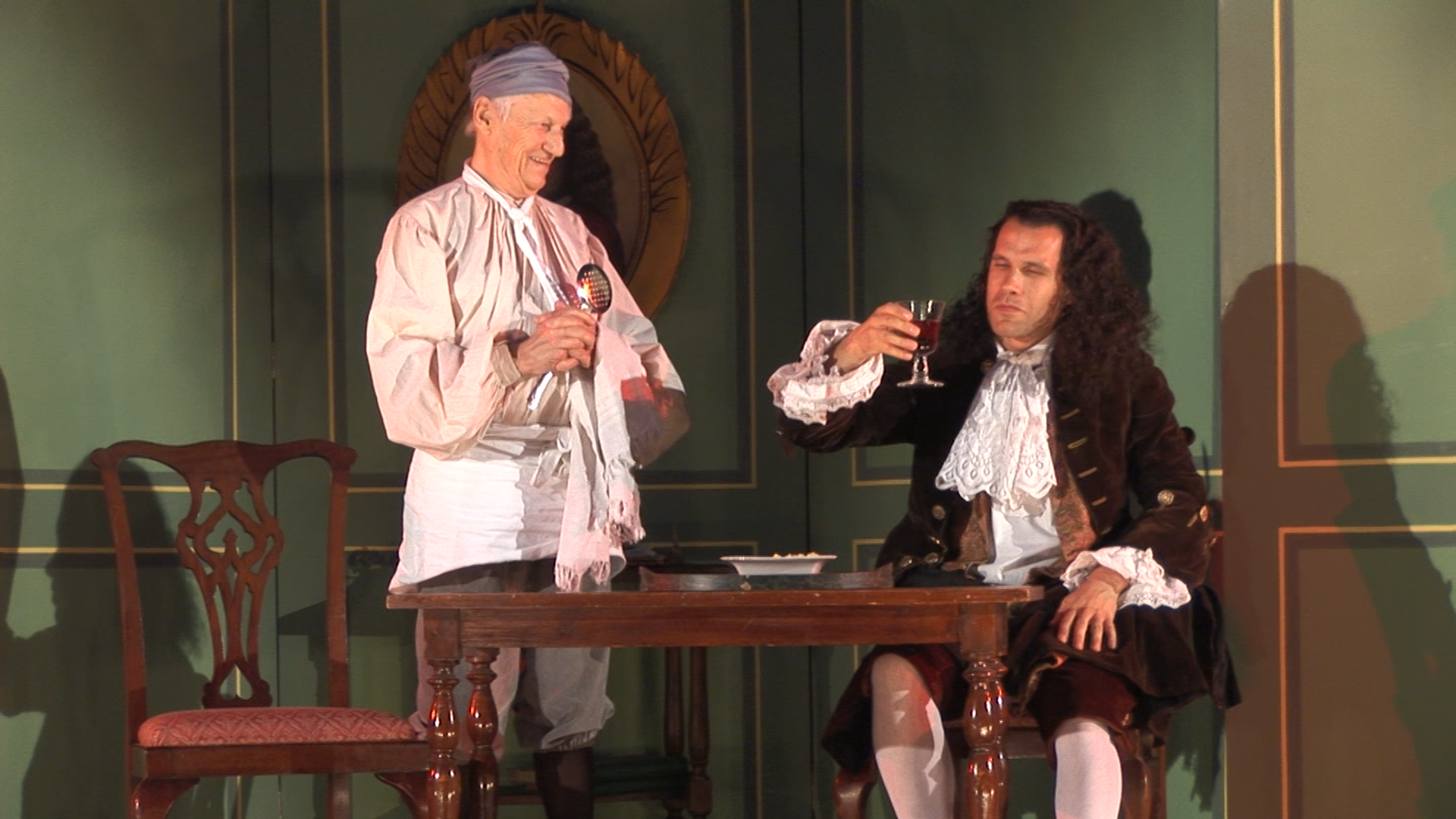
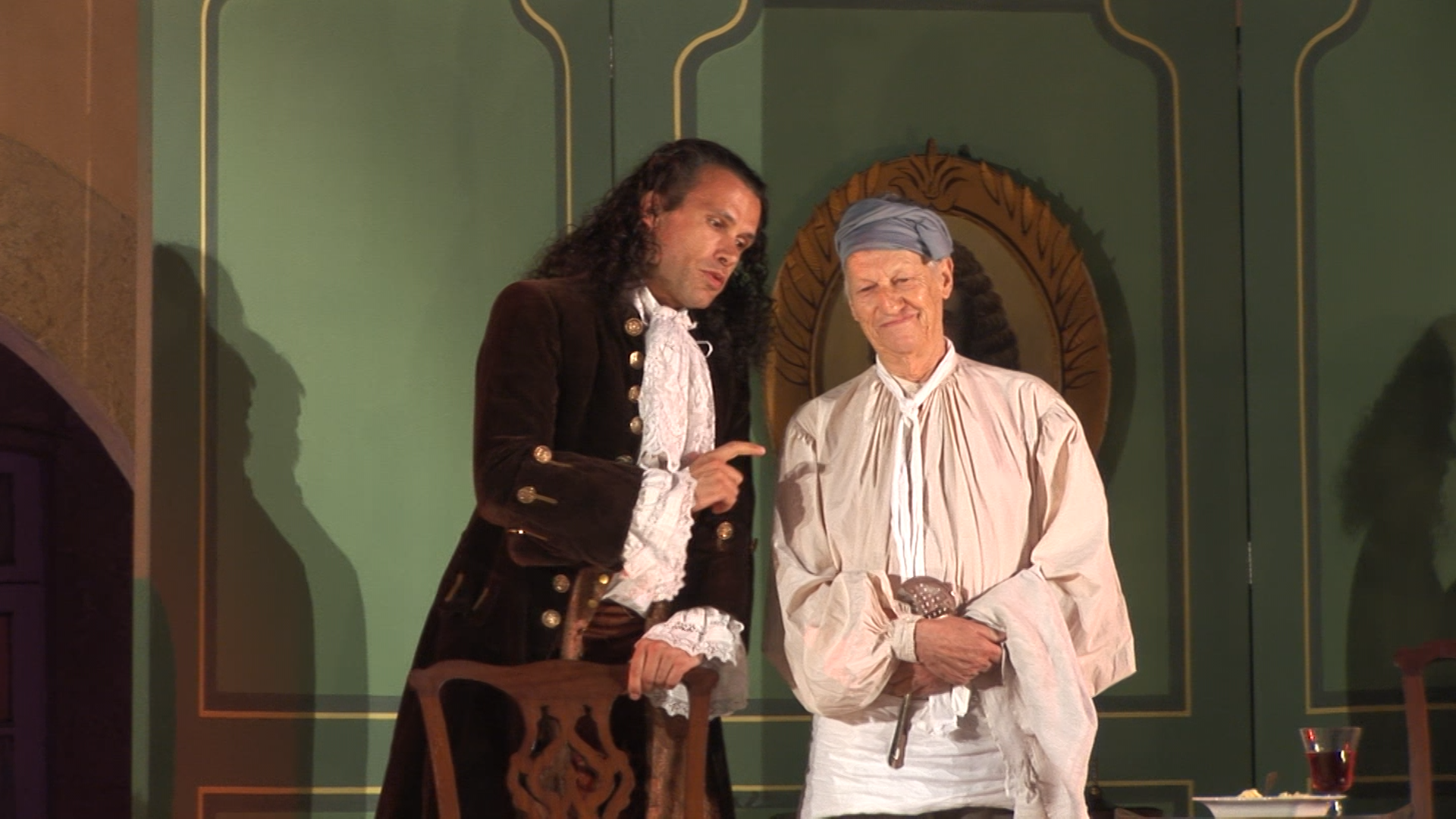
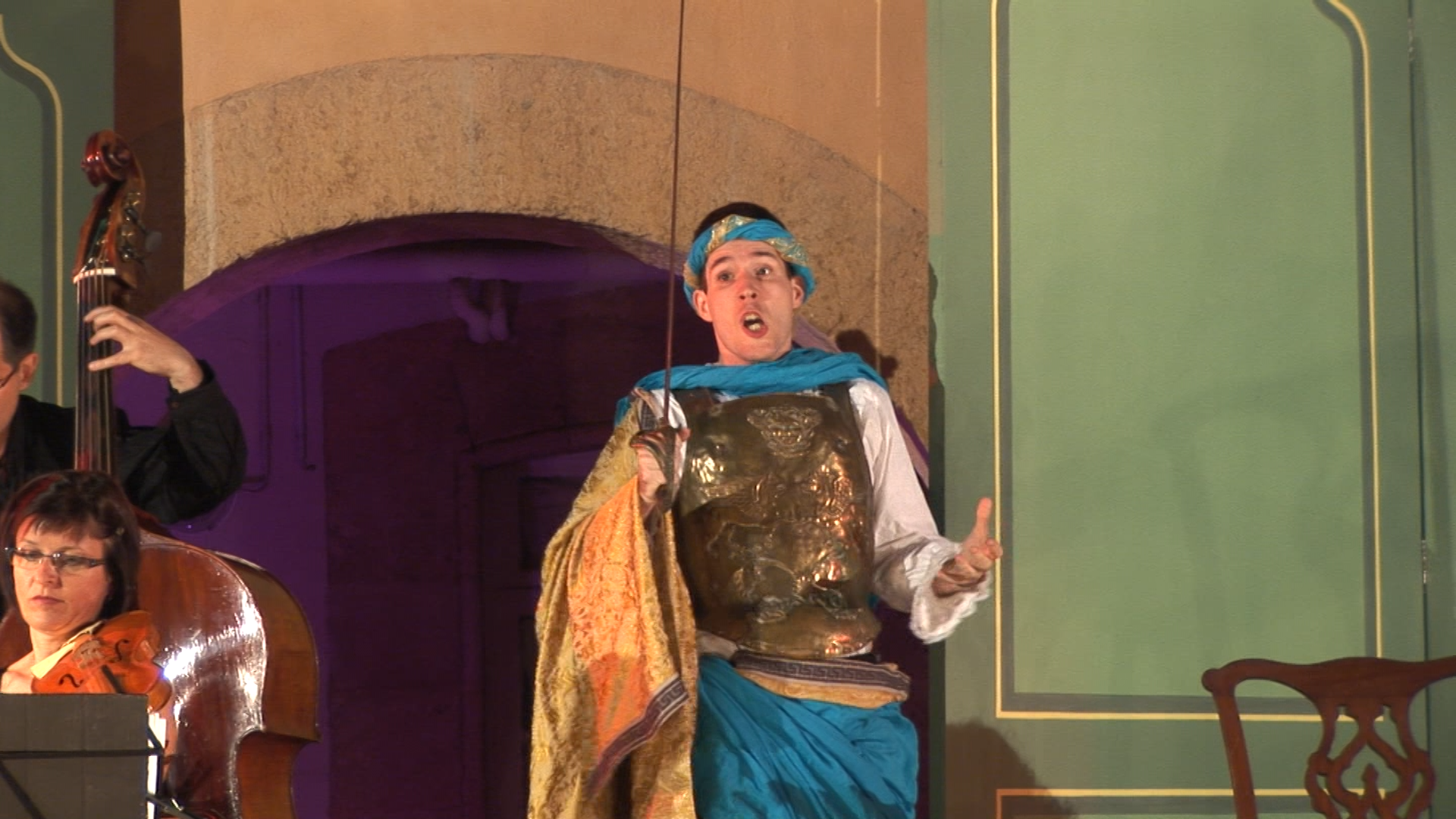
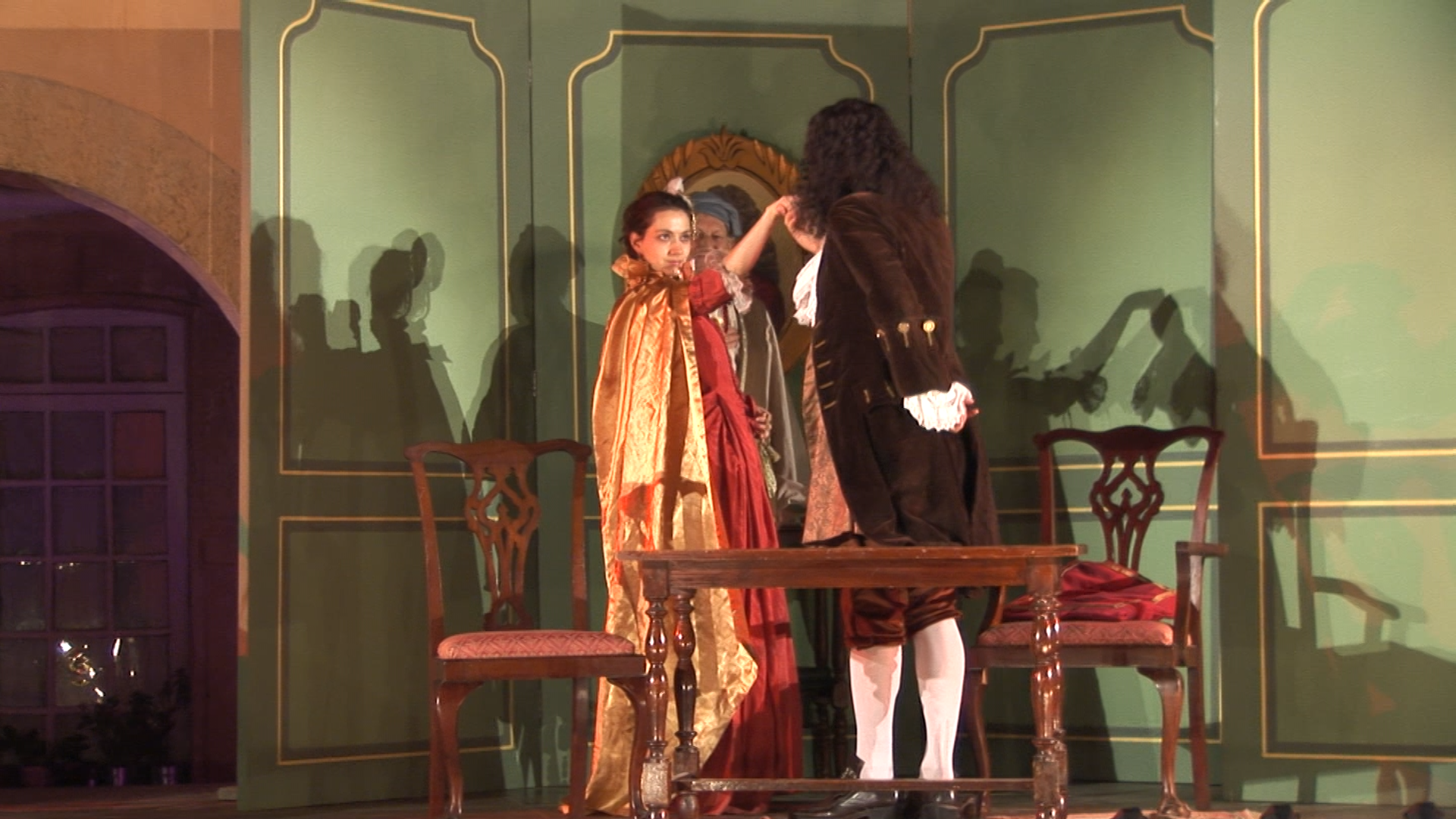
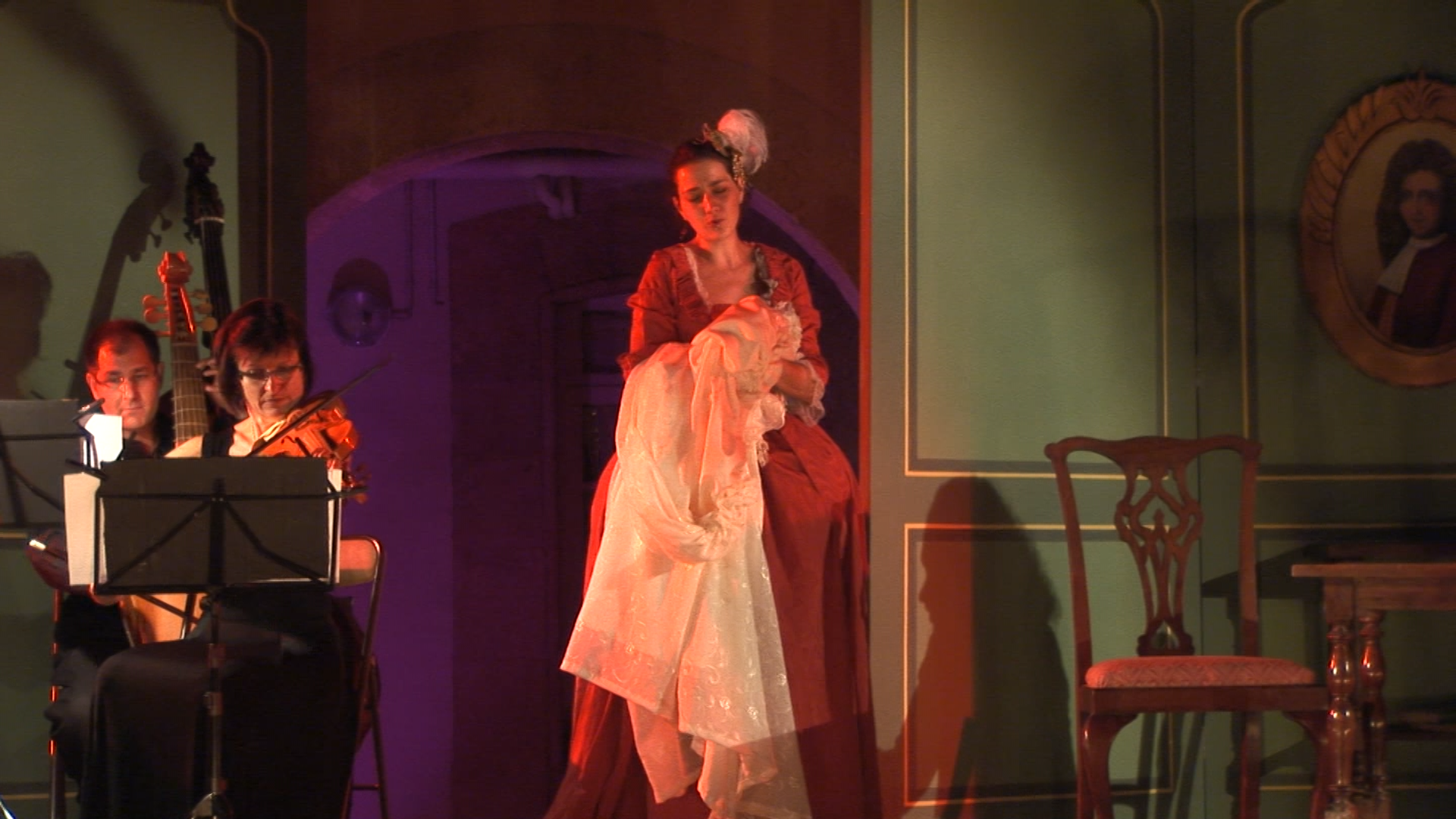
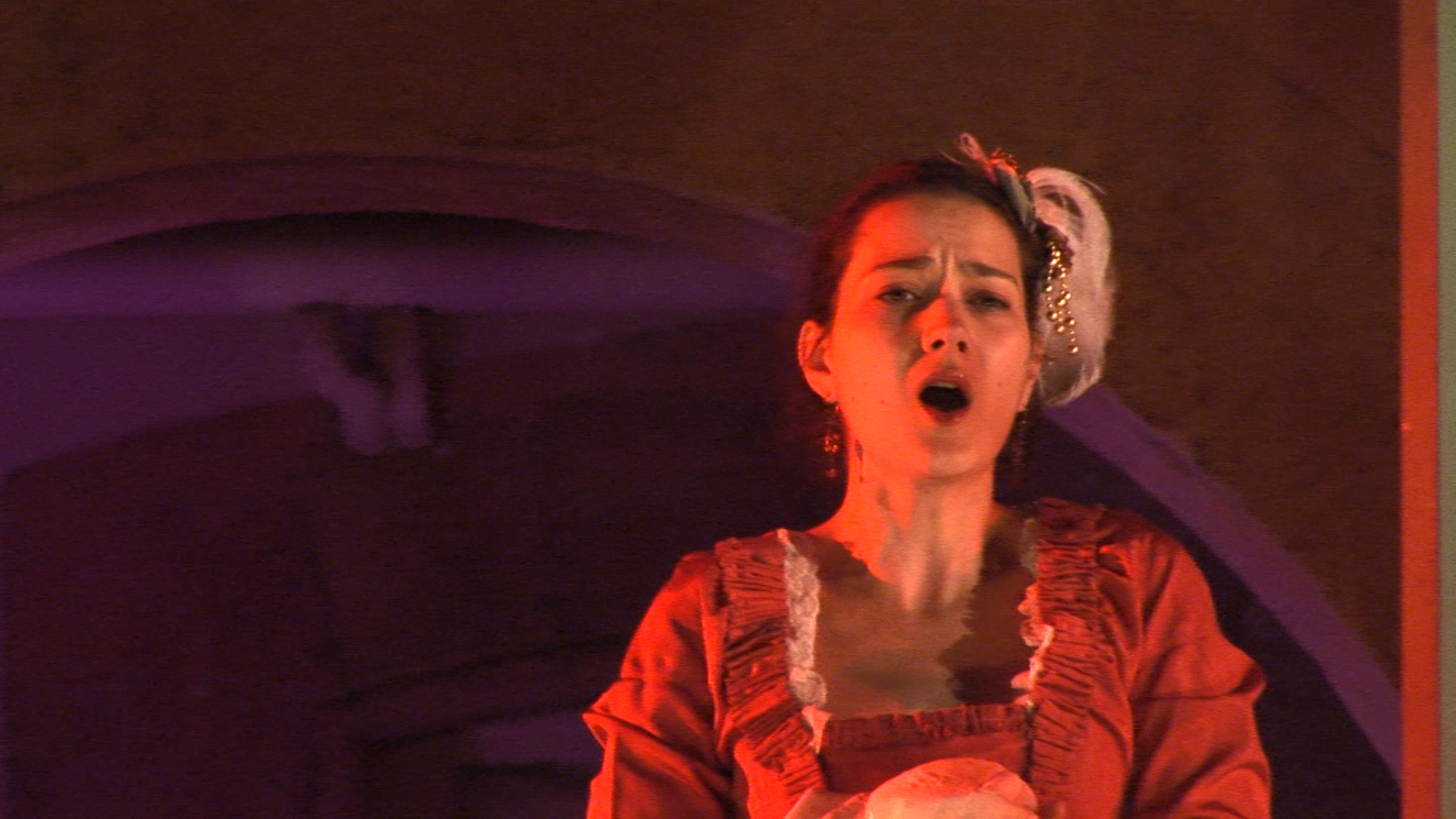
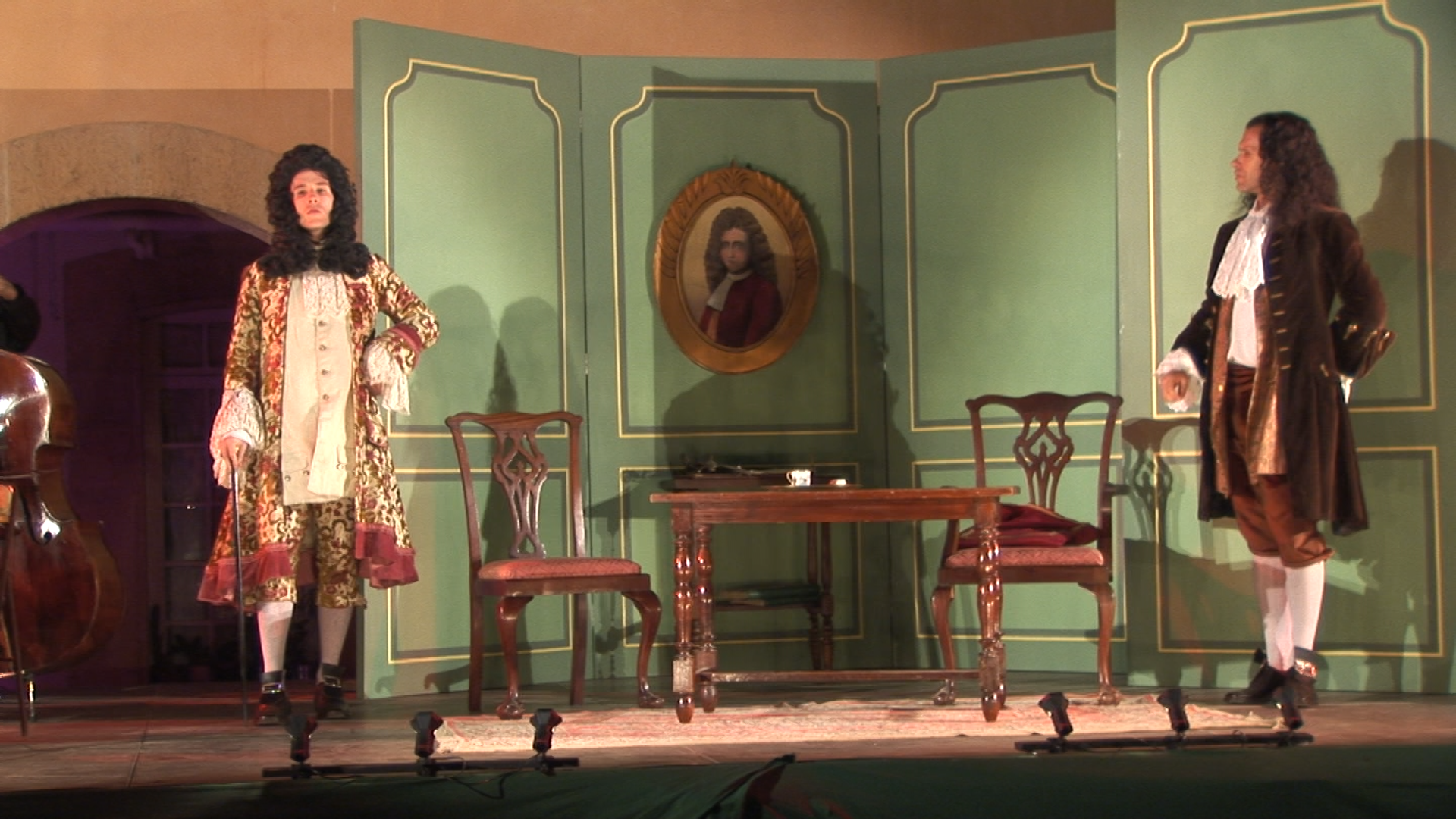
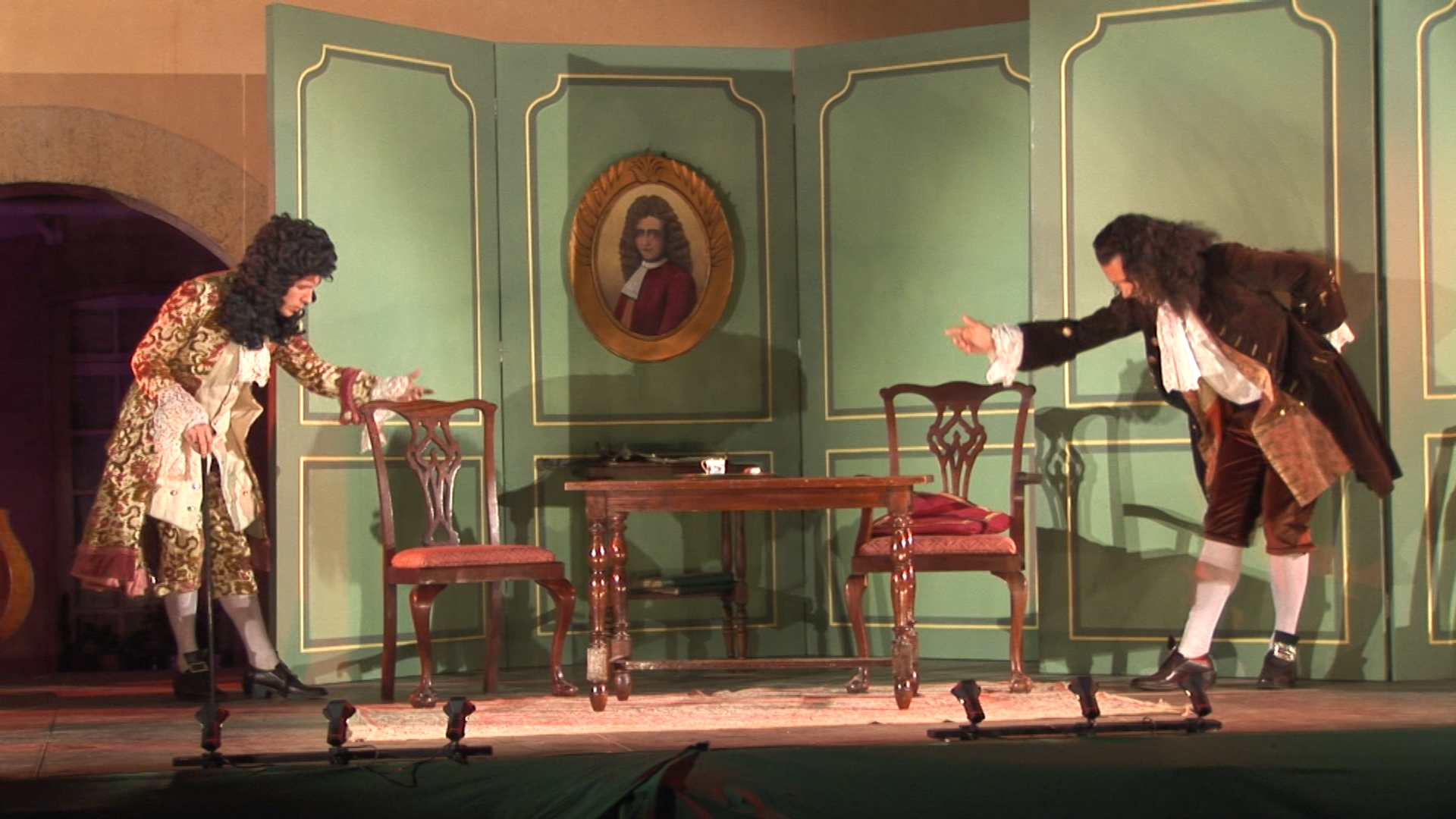
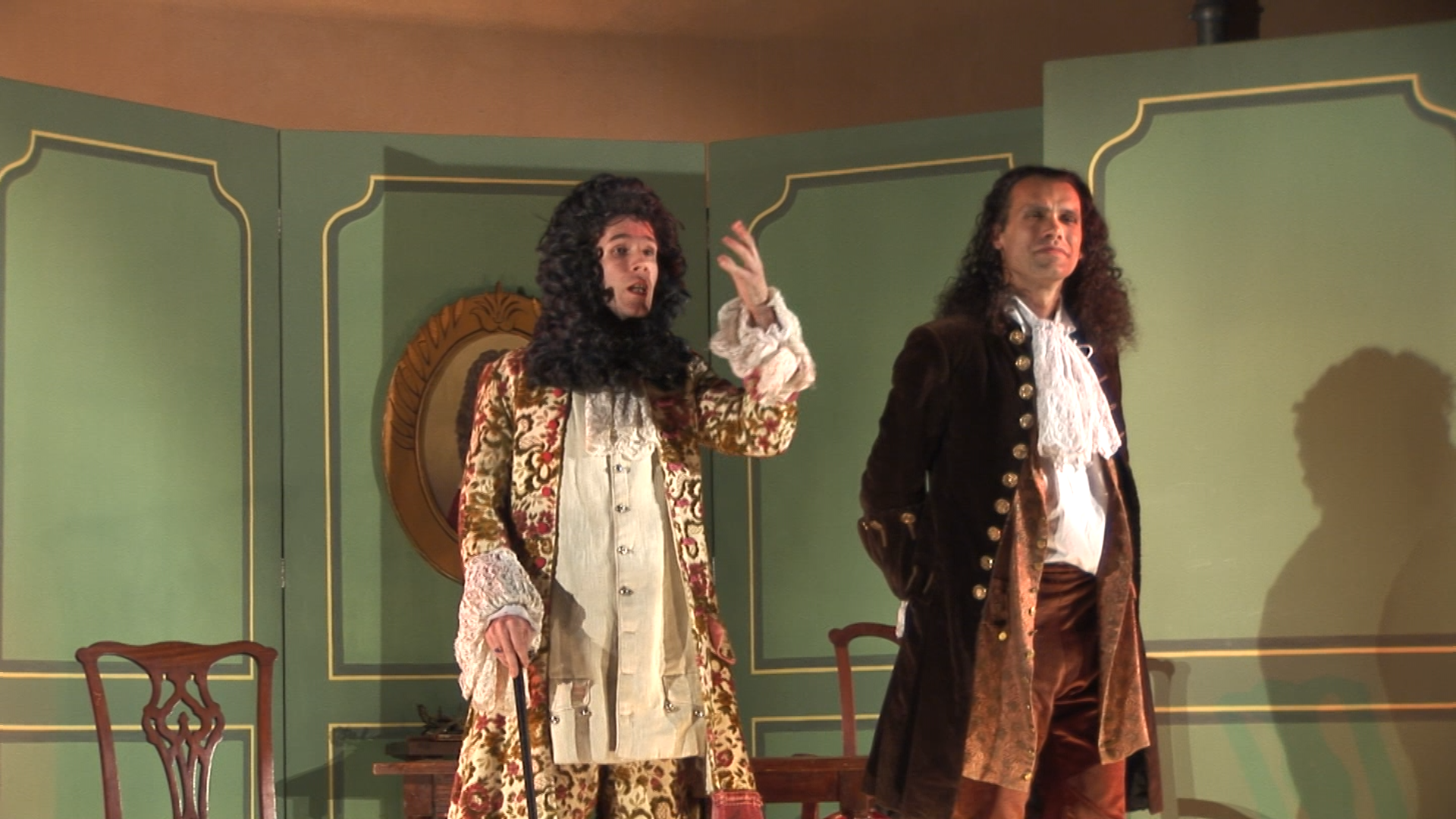
The Choice of Hercules is a musical play by Hippolyte Wouters, centered on Handel at a crossroads—torn between financial comfort and artistic freedom, romance, and the creation of some of his greatest works. While the piece had been staged before in Belgium (Wouters’ home country) with recorded music, our production at the Aix-en-Provence Festival was the first to feature live musicians and singers.
One of the most rewarding parts of this project was working with a cast that blended professional singers and a seasoned actor who wasn’t a singer by training. Together, we found ways for the singers to deepen their acting, and I gently encouraged our actor to step into Handel’s music—something he’d never done before. The trust and openness in the room made it possible for everyone to stretch beyond their comfort zones.
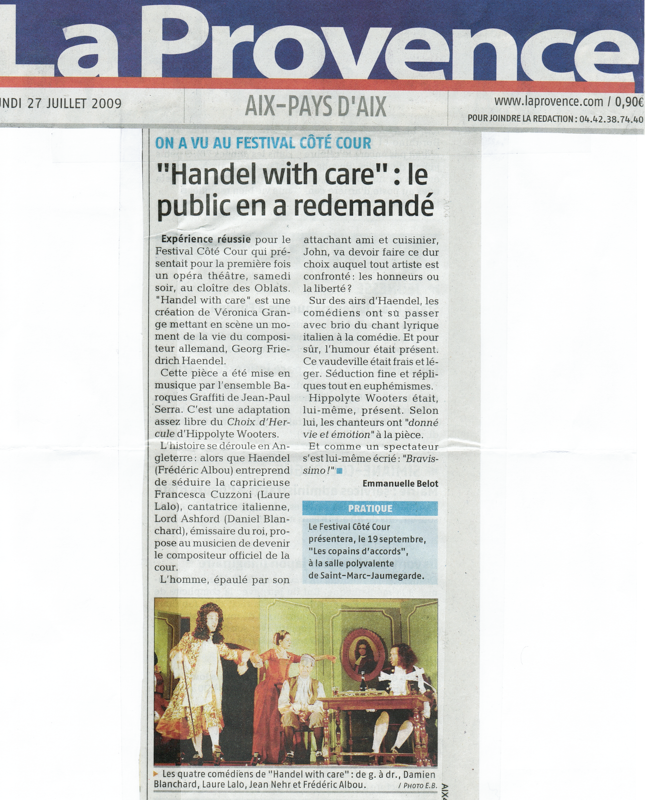
We previewed the show in Bédoin for a small audience, then brought it to a packed Cloître des Oblats in Aix-en-Provence. Both audiences and the press responded warmly. I was especially grateful that one review recognized how naturally singing and acting came together on stage—something we’d all worked hard to achieve.
Below, you’ll find three press reviews and some pictures that capture the spirit and reception of the production.
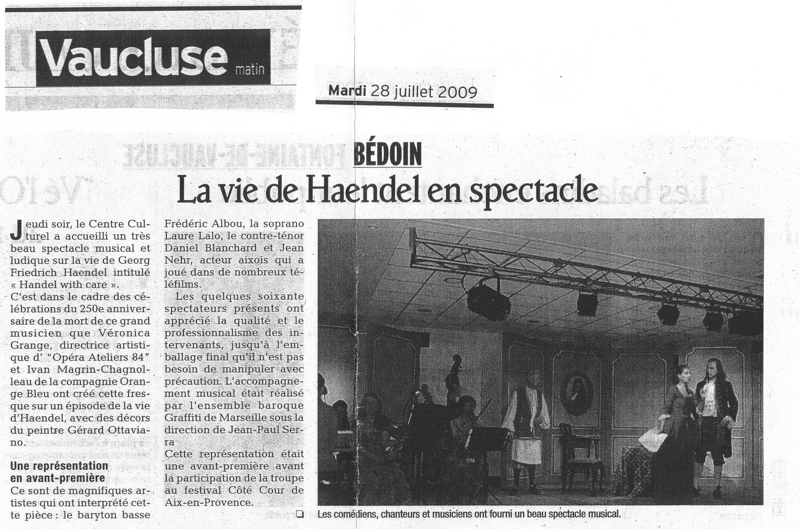
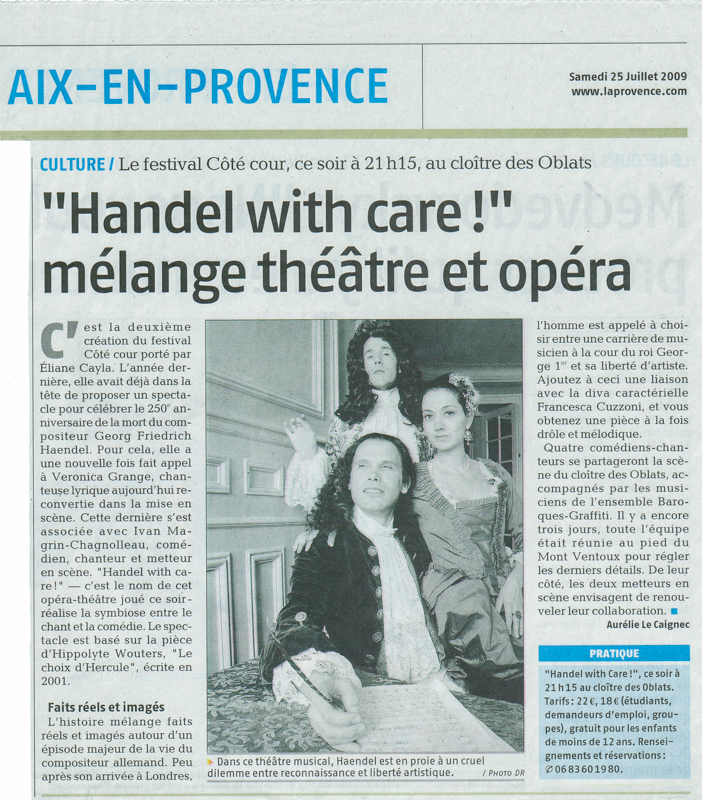
“A beautiful musical show”, “Magnificent artists”, “Quality and professionalism”. (Vaucluse Matin, July 28, 2009)
“Successful experience”, “The audience wanted more”, “The actors brilliantly transitioned from Italian opera singing
to comedy”, “The singers brought life and emotion to the play”, “Bravissimo”. (La Provence, July 27, 2009)